

Imagine holding a miniature, beating human heart in the palm of your hand—not a metaphor, but a real, living mini-heart grown from stem cells. That’s not science fiction. It’s science fact, and it’s happening thanks to a powerful partnership between Michigan State University (MSU) and CytoHub Inc., a biotech company poised to revolutionize cardiac research, drug development, and regenerative medicine. 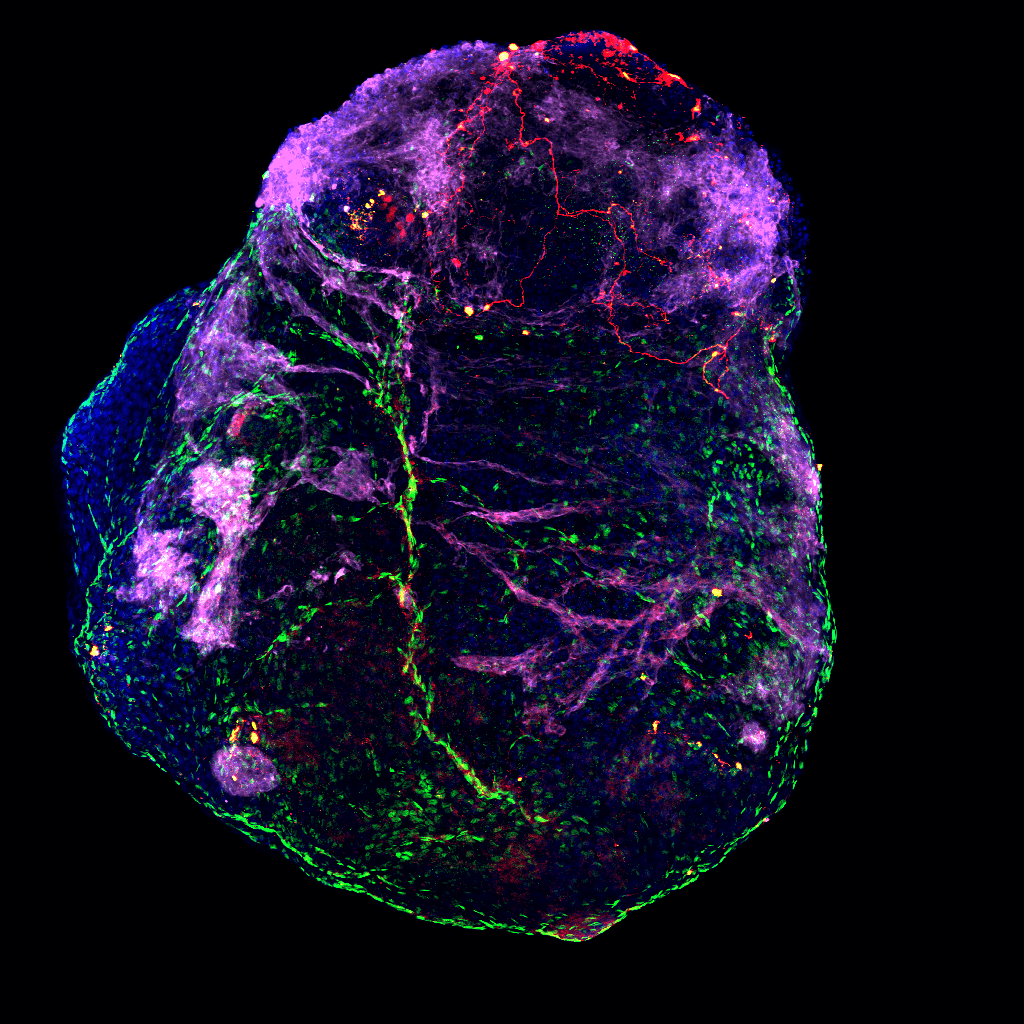
In the world of biomedical innovation, the journey from discovery to impact is often long and uncertain. But when the right science meets the right partner, and when a university ecosystem is built to support that journey, the results can be transformative. That’s exactly what’s happening at MSU, where a groundbreaking heart assembloid technology has found a commercial home in CytoHub.
Together, they’re not just pushing boundaries. They’re tearing them down.
The Science: The Heart of the Matter
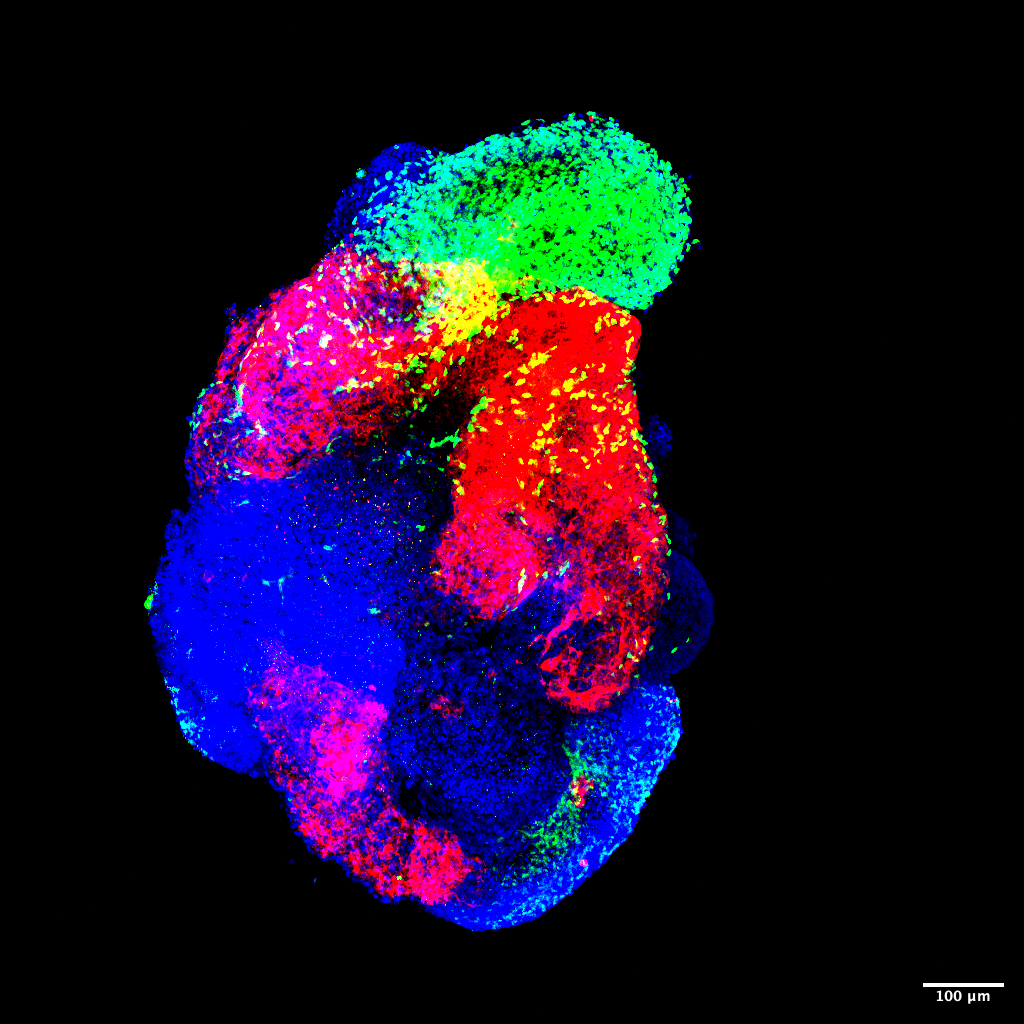
At the core of this partnership is a remarkable scientific achievement developed at MSU to grow human heart organoids/ assembloids by Dr. Aitor Aguirre, Associate Professor in MSU’s Department of Biomedical Engineering.
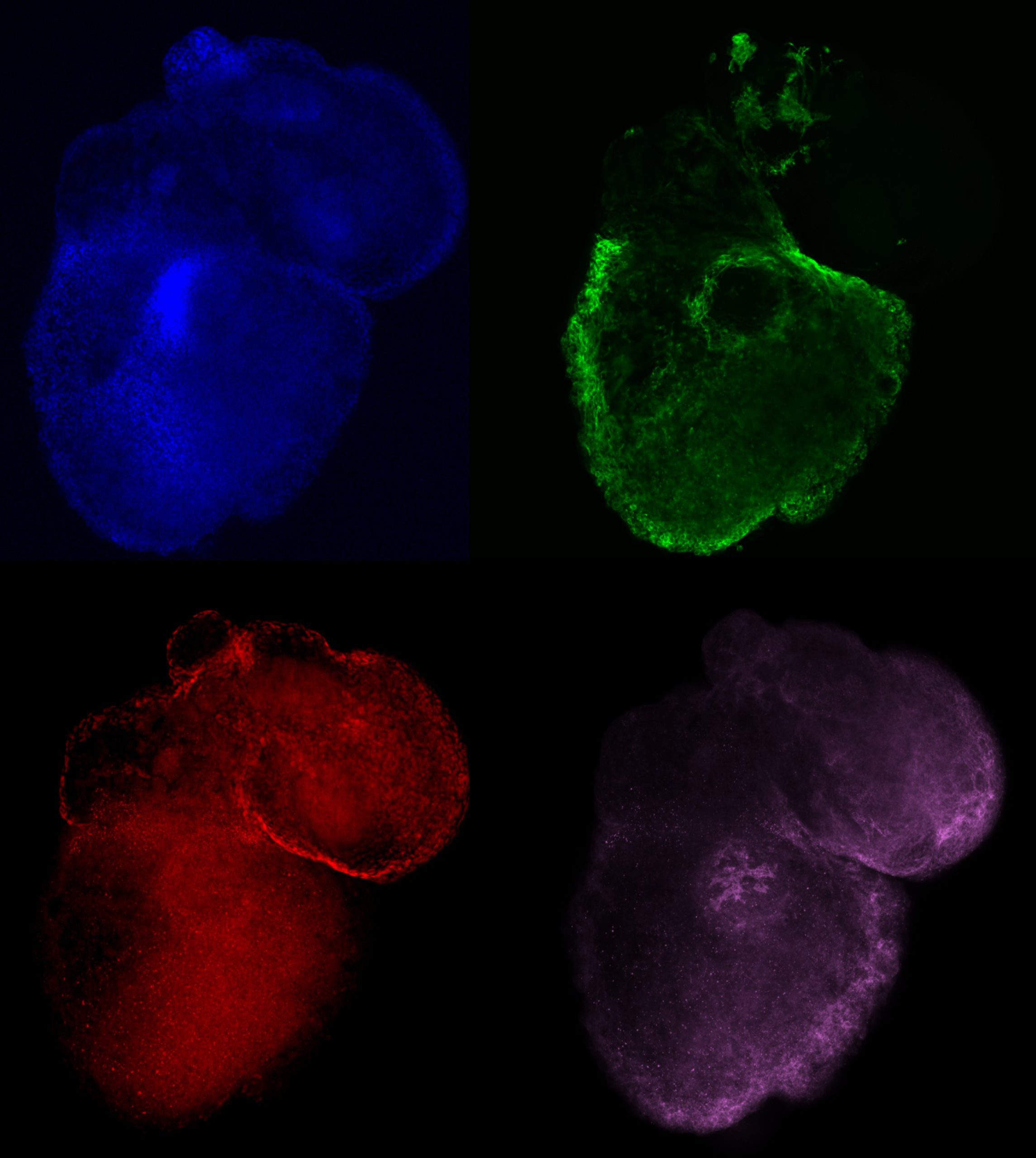
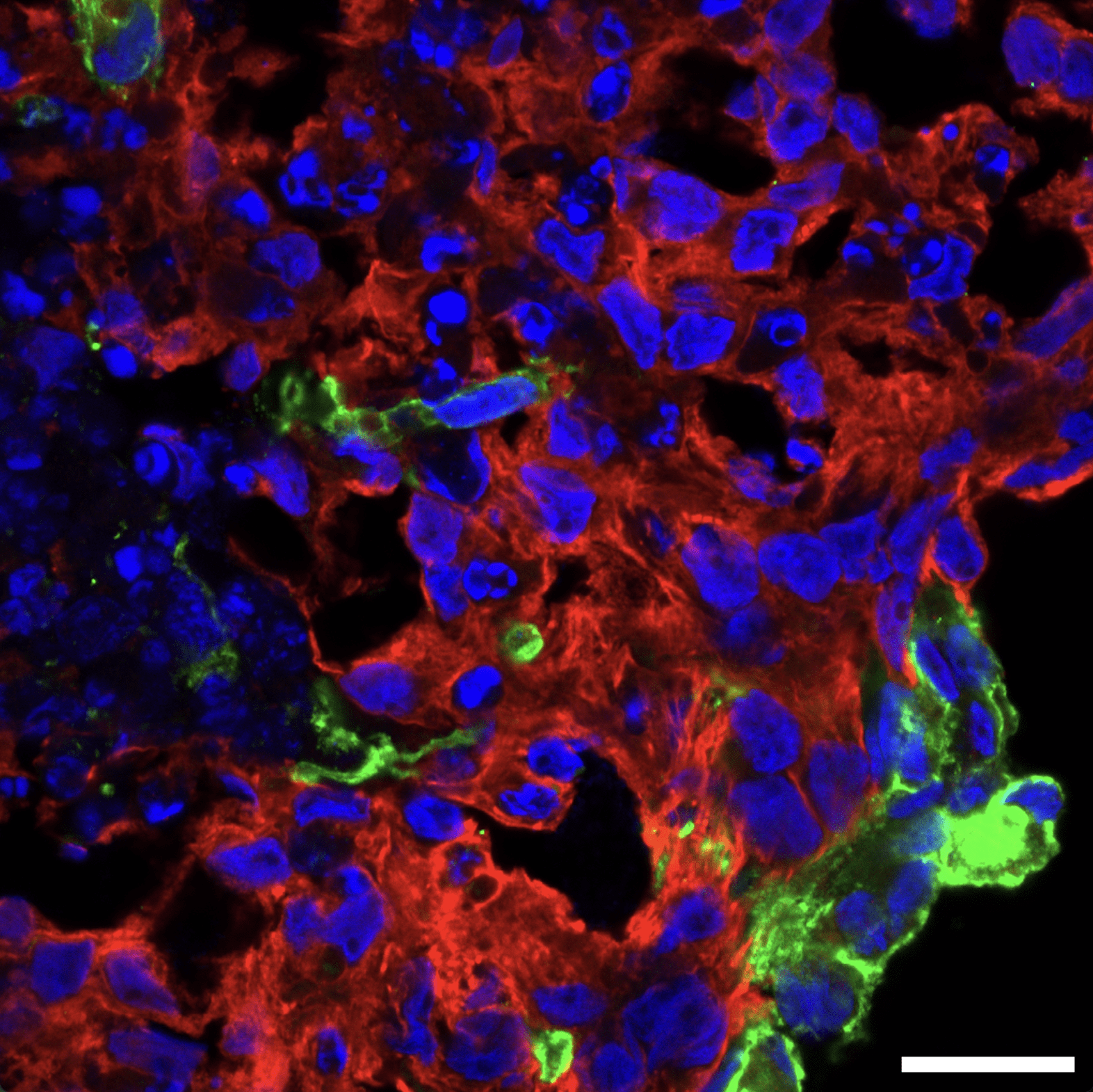
Dr. Aguirre’s lab developed tiny, three-dimensional tissues that mimic the structure and function of a real heart using pluripotent stem cells. These mini-hearts are not just clusters of cells. They are structurally and functionally complex, containing the full range of cardiac cell types, including cardiomyocytes, vascular endothelial cells, macrophages, and neural crest cells. They beat rhythmically, respond to stimuli, and mimic the architecture and behavior of the human heart.
Dr. Rajib Biswas, CEO of CytoHub, explains the significance: “This platform allows us to model human heart development and disease in a way that’s never been possible before. We can test drugs, study congenital defects, and even explore regenerative therapies—all without relying on animal models.”
That’s a game-changer. This technology addresses a critical gap in biomedical research and represents a transformative leap forward in cardiac research and therapy.
Traditional approaches, such as animal models like mice and rats, and 2D human cell cultures, have helped science for decades, but they don’t fully replicate human biology; often they are unable to accurately predict human toxicity, with nearly 90% of drugs developed using these systems ultimately failing in clinical trials.
“The heart is a critical organ we rarely get access to. These mini-hearts allow us to study development, disease, and drug response in ways that were never possible before,” said Dr. Aguirre.
Human-derived assembloids offer a clearer, more accurate, and ethical window into how our hearts actually work, with the potential to accelerate drug development and improve patient outcomes.
CardioVive™: A Platform with a Pulse
CytoHub took MSU’s innovation and transformed it into a commercial platform called CardioVive™, and it’s already gaining attention as a best-in-class solution for in vitro cardiac modeling. What sets CardioVive™ apart is its fidelity to human biology. The platform replicates 96% of the cell types found in native heart tissue, including those critical for vascularization and immune response. This makes it uniquely suited for studying drug-induced cardiotoxicity, a major cause of late-stage clinical drug failure and post-market withdrawal. 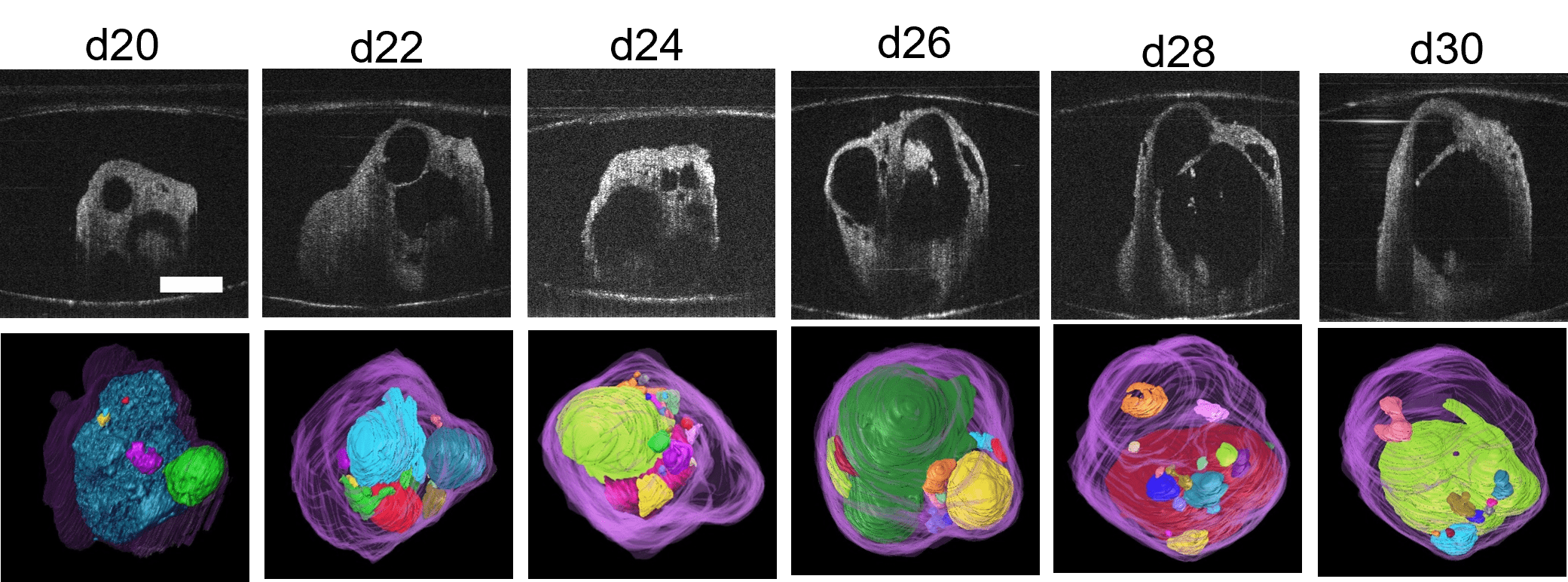
“CardioVive™ is not just a research tool,” explained Dr. Biswas. “It’s a predictive, scalable, and AI-optimized platform that can transform how we develop and test new therapies.”
The AI component is powered by BioEngineAI™, CytoHub’s proprietary machine-learning system. This system automates cell growth, optimizes differentiation, and ensures reproducibility at scale. Think of it as the digital brain behind the biological heart.
The result? A platform that’s faster, cheaper, and more predictive than traditional models. It’s already being used to evaluate new drugs for cardiac safety and efficacy, and it’s just getting started.
HeartReady™: A Shot at Healing the Human Heart
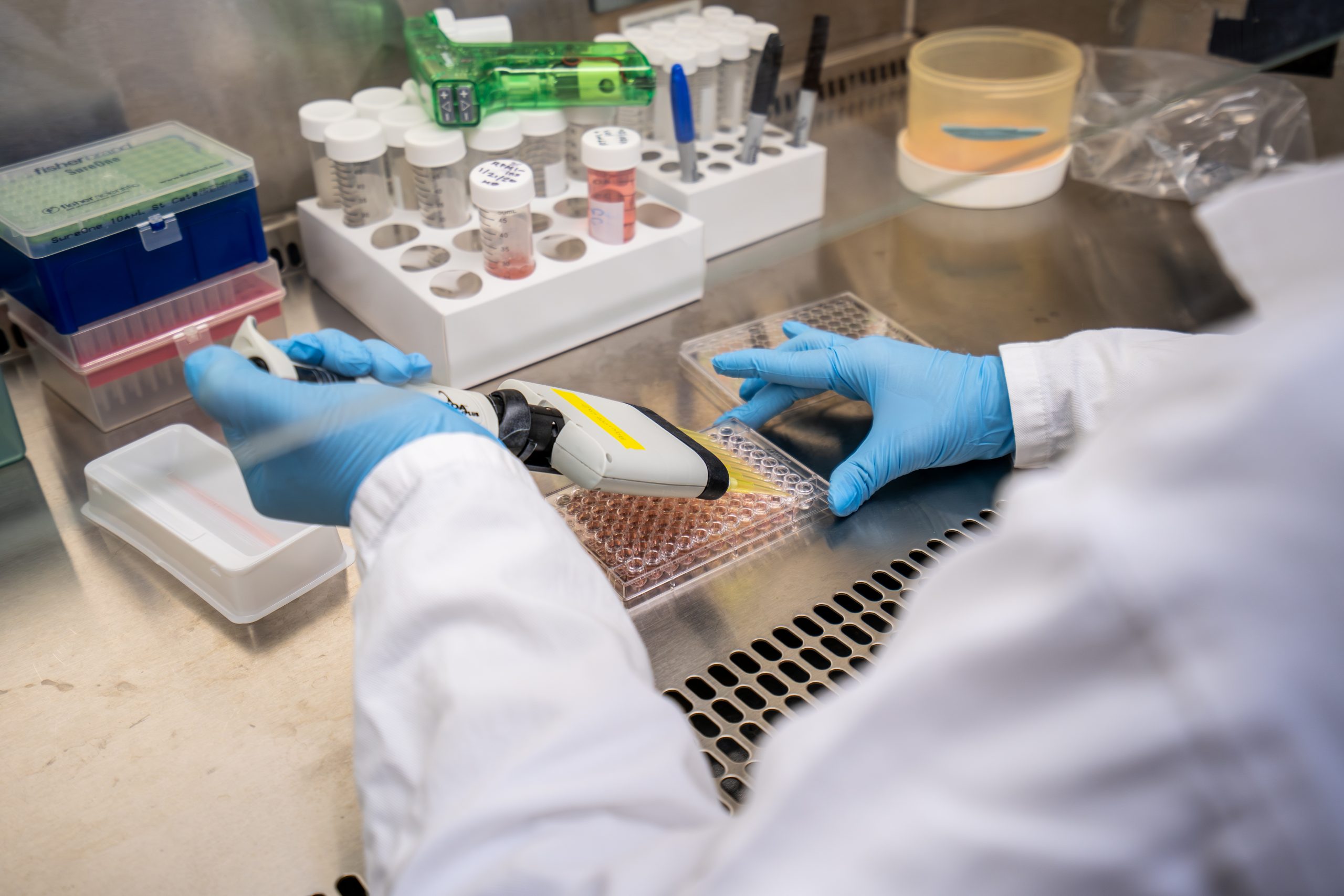
Beyond drug testing, CytoHub is also advancing a regenerative medicine product called HeartReady™. This off-the-shelf therapy uses mature, lab-grown cardiomyocytes derived from the CardioVive™ platform to restore heart function after a heart attack.
“HeartReady™ is still in preclinical development,” said Dr. Biswas, “but the potential is enormous. We’re talking about a therapy that could one day reverse the damage caused by heart attacks and restore quality of life for millions of patients.”
These cells are designed to be hypoimmune, meaning they won’t trigger rejection when transplanted into patients, making them suitable for transplantation into damaged heart tissue.
“We’re creating an off-the-shelf solution,” said Dr. Biswas. “No gene editing. No immune suppression. Just real, functional heart cells that can help people heal.”
If successful, MSU and CytoHub could change how we treat heart disease, one of the world’s leading causes of death.
A Regulatory Tailwind: The FDA’s Paradigm Shift
The timing couldn’t be better. In 2025, the U.S. Food and Drug Administration officially dropped its mandate requiring animal testing for new drug approvals. This landmark decision, part of a broader push toward human-relevant models, has opened a projected $37 billion market for technologies like CardioVive™.
“The FDA and NIH have made it clear: the future of drug development is human-based,” said Dr. Biswas. “That’s exactly what we’ve built at CytoHub, and MSU helped us get there.”
This regulatory shift not only validates the scientific approach but also accelerates the commercial opportunity. Companies like CytoHub that can offer reliable, scalable, and ethically sound alternatives to animal testing are now in high demand.
The MSU Innovation Center: A Bridge to the Marketplace
Recognizing the immense therapeutic potential of Dr. Aguirre’s research, the MSU Innovation Center moved quickly to protect the intellectual property and identify a commercial partner to help move the technology from lab to market.
CytoHub, a California-based startup dedicated to advancing next-generation cardiac regenerative medicine, became a key collaborator. 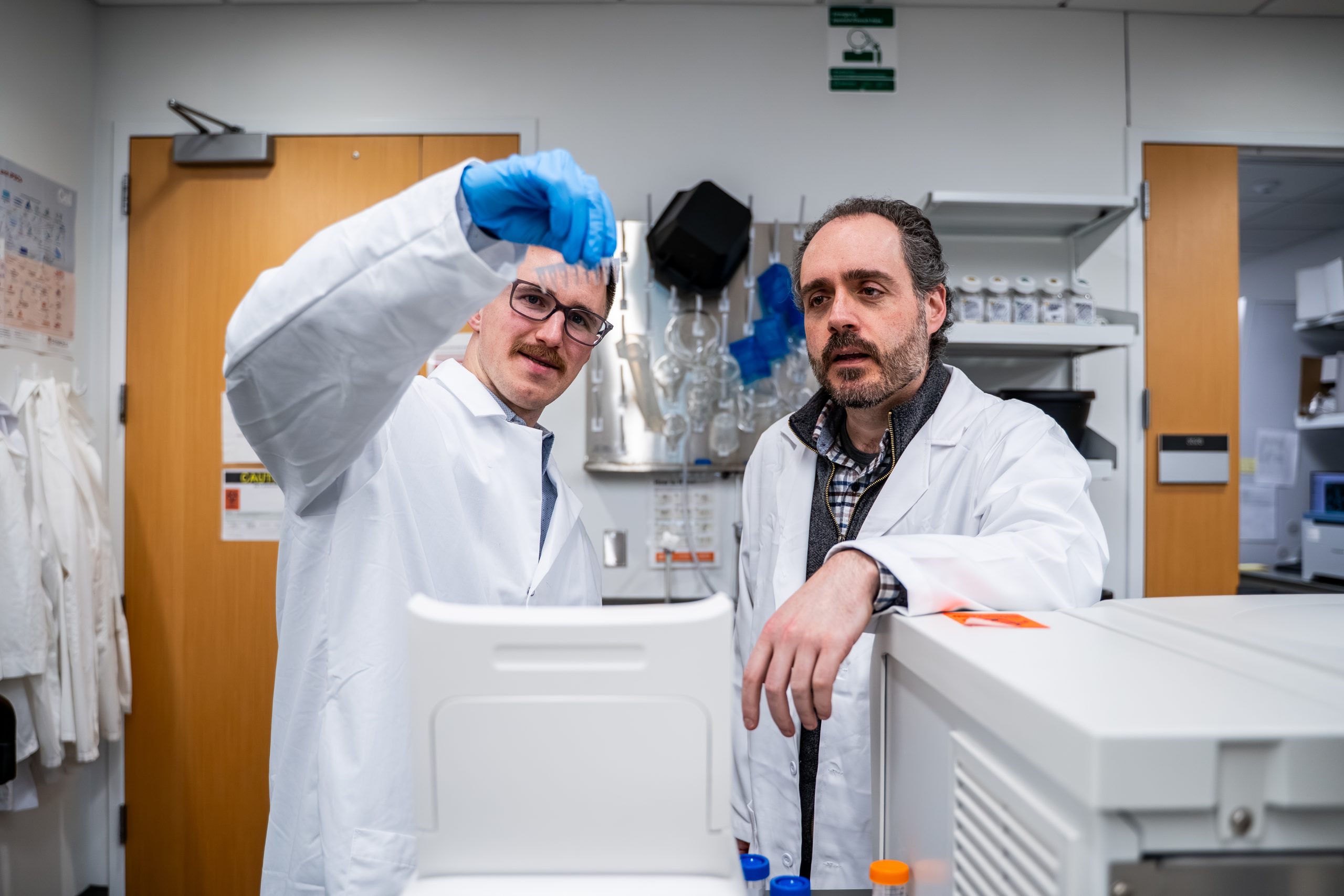
“Dr. Aguirre is an accomplished innovator, holding 14 invention disclosures along with multiple US and international patent applications. CytoHub initially reached out to Dr. Aguirre regarding a potential collaboration on his organoid patents and were subsequently directed to MSU Technologies to formalize the partnership,” stated Anupam Jhingran, Senior Technology Manager at the MSU Innovation Center.
“Following discussions with CytoHub’s leadership team, MSU Technologies executed an Option Agreement, providing a limited license to CytoHub for internal validation studies. After the successful completion of these studies, CytoHub exercised its option rights and has recently obtained a worldwide exclusive license to apply our technologies to enhance drug discovery and healthcare.”
“We’ve worked with other universities, and the experience at MSU was exceptional,” said Dr. Biswas. “The team was responsive, aligned with our goals, and genuinely invested in our success.”
MSU Research Foundation: Funding, Guidance, and Growth
CytoHub’s journey from lab bench to biotech startup was catalyzed by early support from the MSU Research Foundation. As the company prepared to launch, Red Cedar Ventures—an investment arm of the Foundation—stepped in as CytoHub’s first investor, providing $50,000 in pre-seed funding. This initial capital helped the company establish operations, validate its technology, and begin building momentum toward commercialization.
In addition to financial support, CytoHub has benefited from strategic guidance through the Foundation’s Entrepreneur-in-Residence (EIR) program. Dr. Marquicia Pierce, a seasoned business professional and EIR, has worked closely with the CytoHub team to shape business strategy, refine fundraising approaches, and navigate early-stage growth. The EIR program was designed to give emerging MSU startups access to unbiased, expert advice from outside the university—ensuring that founders receive candid, conflict-free guidance as they scale.

Today, the MSU Research Foundation continues to play an active role in CytoHub’s success, offering support as the company prepares for its next round of funding. This ongoing partnership reflects the Foundation’s long-term commitment to nurturing innovation, empowering entrepreneurs, and helping MSU technologies reach their full potential in the marketplace.
From Startup to Scale-Up
Since licensing the technology, CytoHub has made rapid progress. They set up operations at JLABS in San Diego, a biotech incubator backed by Johnson & Johnson. There, they validated the CardioVive™ platform, established quality control systems, and signed a significant service agreement with a publicly traded pharmaceutical company to assess a new cardiac drug.
“We’re already generating data that can predict how a drug will perform in humans,” said Dr. Biswas. “That’s a huge leap forward in translational medicine.”
They’re also in talks with industry giants that will help scale the platform and integrate it into mainstream drug development pipelines.
A Personal Mission
For Dr. Biswas, the work is more than professional; it’s deeply personal. His father suffered a heart attack while Dr. Biswas was transitioning from academia to industry. That experience shaped his career and his commitment to cardiac regenerative medicine.
“I wanted to do something that could help patients like my father,” he said. “That’s what drives me every day.”
The Broader Impact: Innovation as a Public Good
The CytoHub story is a powerful example of how university research and tech transfer can be translated into real-world impact. It shows how public research, private investment, and smart partnerships can turn ideas into real-world solutions.
Research funded by federal grants, nurtured within a public university committed to serving the public good, and licensed to a company with the vision and resources to bring the technology from a campus lab to something that can save lives.
This innovation began with critical early-stage research support grants from MSU and Corewell Alliance, which were instrumental in funding the first preliminary data collection. These early pilot studies opened the door to federally funded research grants supported bythe National Institutes of Health (NIH) and the National Science Foundation (NSF), as well as grants from multiple foundations, including the American Heart Association (AHA), Alternatives Research and Development Foundation (ARDF), and the Saving Tiny Hearts Society. Over time, the research matured—moving from discovery to development, from hypothesis to technology.
The MSU Innovation Center played a pivotal role in this journey, helping to protect the intellectual property, navigate the commercialization process, and connect the research team with industry partners.
Dr. Aguirre, whose lab developed the heart assembloid technology, reflected on the journey: “We wanted to create a model that could truly reflect the complexity of the human heart. Seeing it move from our lab into a company like CytoHub is incredibly rewarding.”
That mission is at the heart of the MSU Innovation Center, which brings together MSU Technologies, Business Connect, and the MSU Research Foundation to support faculty inventors, connect with industry, and launch startups. In 2024 alone, the Innovation Center facilitated more than $25 million in corporate-supported research, executed 35 license agreements, and helped launch multiple startups based on MSU technologies.
Looking Ahead: What’s Next for CytoHub and MSU
As CytoHub continues to grow, the partnership with MSU remains a cornerstone of its success. The company plans to expand into other organ systems, leveraging its AI and stem cell platforms to develop new models for the brain, liver, and beyond.
“We’re just getting started,” said Dr. Biswas. “The technology we’ve developed with MSU has applications far beyond the heart. And with the support of the Innovation Center, we’re confident we can bring those applications to life.”
For other companies considering university partnerships, Dr. Biswas offers this advice: “Find the right synergy. If you believe in the technology and have the right team, a university like MSU can be an incredible partner.”
And for MSU, the CytoHub story is a powerful reminder of what’s possible when research meets real-world application.
Innovation doesn’t happen in a vacuum. It takes people, partnerships, and a shared belief that we can do better. The collaboration between MSU and CytoHub proves that when those pieces come together, the results can be extraordinary.
“Our goal was to build something that could help people—not just in theory, but in practice,” said Dr. Aguirre.
From a lab bench in East Lansing to a biotech lab in San Diego, a tiny beating heart is showing us what the future of medicine looks like. And it’s beating strong.
###
Partner with MSU to Shape the Future of Human Health
The MSU Innovation Center invites companies and organizations to collaborate on the next generation of human-relevant medical technologies. Whether you’re developing safer drugs, exploring regenerative therapies, or seeking scalable alternatives to animal testing, MSU offers the research, expertise, and commercialization support to help you succeed.
If you’re an industry leader looking to collaborate on the next big medical breakthrough or seeking to license cutting-edge technologies, MSU is ready. The MSU Innovation Center connects companies with world-class research, visionary inventors, and a proven commercialization pipeline.
Visit innovationcenter.msu.edu or contact us to start the conversation.
About the MSU Innovation Center
The MSU Innovation Center is Michigan State University’s hub for corporate partnerships, technology commercialization, and startup support. By integrating MSU Technologies, Business Connect, and Spartan Innovations, the Center transforms groundbreaking research into real-world impact. Through strategic collaborations with faculty, industry, and investors, the Center accelerates innovation from concept to market—empowering Spartans to lead in entrepreneurship, research translation, and public-private partnerships. Learn more at innovationcenter.msu.edu