

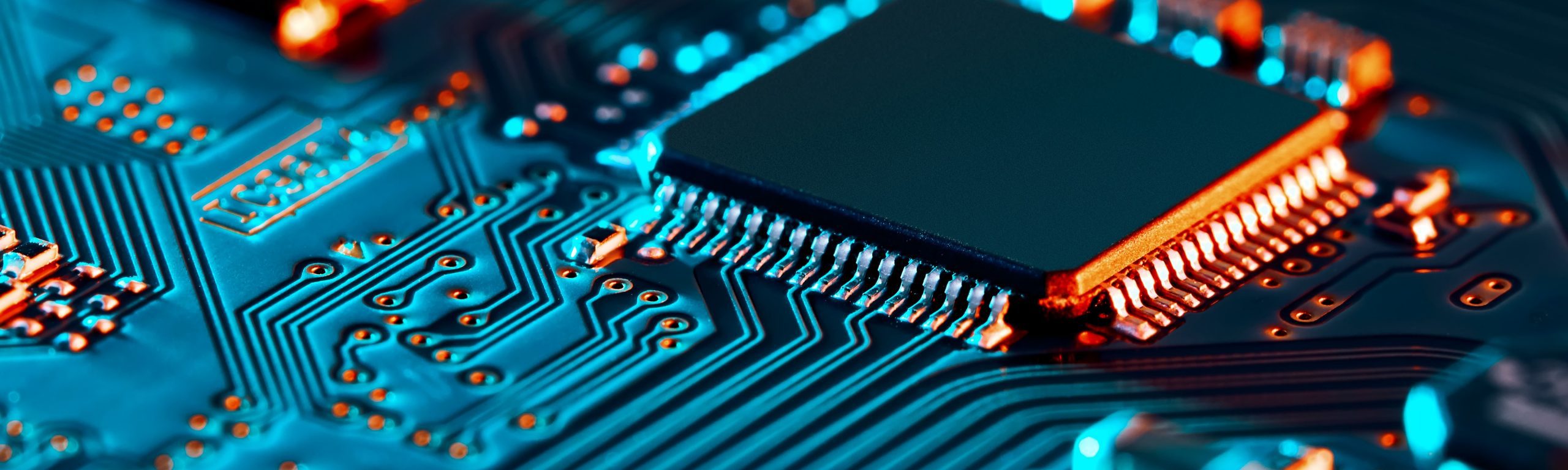
For decades, silicon has been the foundation of modern electronics because it is abundant, relatively affordable, and well suited to the precise control of electrical current that makes computer chips possible. But today’s most advanced systems, from AI hardware to high-power and quantum technologies, are pushing silicon harder than ever, demanding more speed, more power, and operation in hotter, harsher environments. As those demands grow, heat has become a major bottleneck: silicon remains essential, but it does not move heat nearly as well as diamond, making it harder to keep next-generation devices cool, compact, and reliable.
 That challenge is where Great Lakes Crystal Technologies (GLCT), an East Lansing–based startup, sees opportunity.
“The limits we’re hitting in electronics are not just about software or computing power anymore—they’re about materials. Diamond offers a path forward because it manages heat better and performs where traditional materials start to break down”, says Jonathan Charak, CEO, of GLCT
As silicon and even silicon carbide approach their limits in some of the most demanding applications, GLCT is building next-generation electronics around diamond, a material that can dissipate heat far more effectively while also offering exceptional stability in extreme operating conditions.
A Next-Generation Platform for Advanced Electronics
Diamond is drawing growing attention because it offers a combination of properties that few other materials can match. In addition to moving heat far more effectively than silicon, diamond can tolerate higher temperatures, withstand radiation, and operate under intense electrical stress, making it especially attractive for high-power electronics, extreme-environment systems, and emerging quantum technologies.

That combination is exciting because it points to electronics that could run cooler, handle more power, last longer, and shrink in size even as performance demands rise. In other words, diamond is not just a better heat spreader than silicon; it is a platform that could help push electronics beyond some of the physical limits now constraining progress in computing, energy, aerospace, defense, and sensing.
The reason that shift has not already happened is that diamond has been far harder to manufacture in an electronics-ready form. To replace silicon in advanced devices, diamond must be produced at the right size, purity, crystal quality, and consistency, and those requirements have historically been difficult and expensive to meet.
“The challenge has never been whether diamond has the right properties. The challenge is producing it in the right form, at the right quality, and in a way that fits real applications,” explains Charak.
Great Lakes Crystal’s core technology is aimed at removing those barriers by using custom chemical vapor deposition reactors and process control to produce semiconductor-grade diamond materials that are more uniform, scalable, and tailored to real device needs.
Decades of MSU Research Lay the Foundation
The technology behind Great Lakes Crystal was developed through decades of diamond materials research at Michigan State University (MSU), led by Timothy Grotjohn, Professor of Electrical and Computer Engineering. That long-running work in diamond growth, reactor design, and device development laid the scientific foundation for a platform that could finally help diamond begin replacing silicon in some of the most demanding electronics applications.
“All of the core intellectual property was spun out of Michigan State. Dr. Tim Grotjohn has been working on diamond for decades, and that long foundation of research is a big part of why we believe we can do this better than anyone else,” says Charak.
Over time, Grotjohn’s lab built deep expertise not only in growing high-quality diamond, but also in designing the specialized systems and processes needed to produce it with the consistency advanced electronics demand. That mattered commercially because diamond’s promise has long been clear, but its use has been limited by the difficulty of producing material that is scalable, reliable, and ready for real devices.

Moving that work from an academic lab into the marketplace required more than strong science. It required protecting the intellectual property, identifying where the technology could create commercial value, and building the right team and business structure to carry it forward. MSU’s Innovation Center helped make that transition possible by supporting the protection and licensing of the underlying intellectual property, helping assess commercialization pathways, providing access to translational funding such as the Michigan Economic Development Corporation (MEDC) funded Advance Innovation Hub program, and activating partners across the university’s innovation ecosystem.
“The transfer of technology from academia to industry, as exemplified by the successful partnership between Michigan State University and GLCT, underscores the transformative power of collaboration. It not only safeguards intellectual property but also identifies commercial potential, fostering innovation and driving economic growth,” says Raymond DeVito, Senior Technology Manager at the MSU Innovation Center.
Among those partners, the MSU Research Foundation played a key role in helping launch the company. Through its entrepreneurship and venture support network, the Foundation helped connect the technology with commercialization leadership, early investment, lab space, and the kind of training and mentorship needed to help a faculty-led innovation become a venture-backed business.
“Great Lakes Crystal is a strong example of what can happen when university research is paired with the right startup support,” said David Washburn, CEO of the MSU Research Foundation. “From translational grants, entrepreneurial support, seed capital and specialized incubator space, our role is to create the conditions that enable the team to successfully move the technology out of the lab into a commercial setting.”
That support helped GLCT launch in 2019 as an MSU-affiliated startup focused on translating university research into semiconductor-grade diamond materials for advanced electronics and other demanding applications. The company’s early growth was further supported through MSU Research Foundation-managed incubator space near campus, where Great Lakes Crystal could continue developing its technology while building the operational capacity needed for commercialization.
That relationship continues today. The MSU Innovation Center continues to support Great Lakes Crystal through licensing and commercialization work tied to additional innovations emerging from Grotjohn’s lab, helping the company expand its technology base as the science advances. Because of that full process—from university research, to intellectual property protection, to startup formation and scale-up—Great Lakes Crystal is now producing solutions rooted in MSU research to address some of today’s most pressing advanced electronics challenges.
Enabling the Next Wave of Quantum Sensing
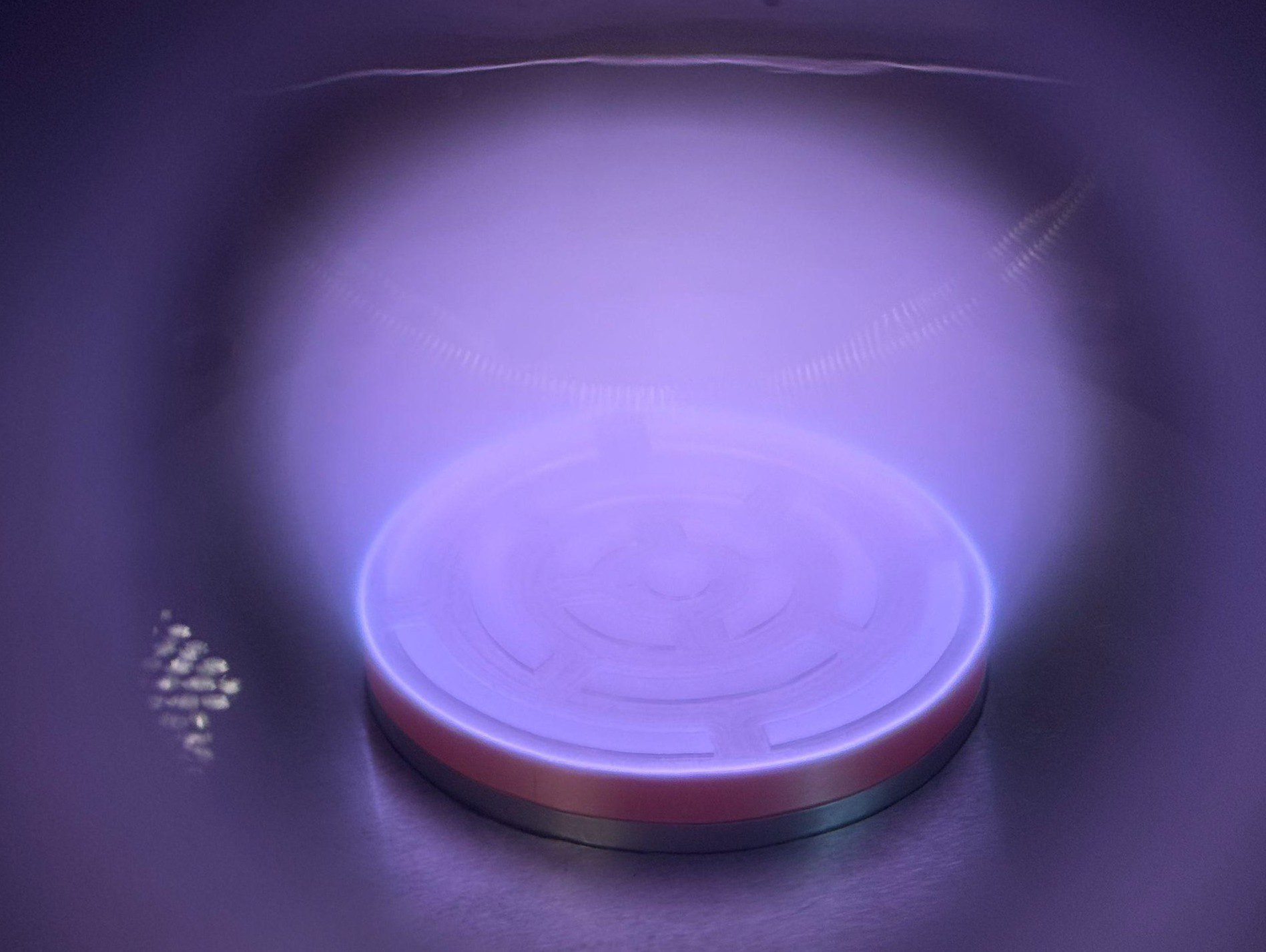
Great Lakes Crystal’s platform matters first because it addresses some of the hardest materials problems in advanced electronics today. Using custom-designed chemical vapor deposition reactors, the company produces single-crystal, semiconductor-grade diamond substrates, plates, and wafers engineered for specific performance needs, whether that means pulling heat away from powerful chips, surviving intense radiation, or operating reliably in extreme environments.
That gives GLCT a strong position across multiple markets. Yes, diamond can help solve immediate challenges in AI hardware, advanced packaging, power electronics, aerospace, space systems, and nuclear environments. But it also opens the door to a newer frontier: quantum sensing, where the same material platform can enable devices that measure the world with extraordinary precision.
Quantum sensing is important because it can detect signals too small or subtle for many conventional sensors to measure reliably. In diamond-based quantum sensing, scientists use tiny, engineered defects in the crystal called nitrogen-vacancy, or NV, centers. Those defects respond to changes in magnetic fields, temperature, pressure, and other conditions which allow the diamond to act as an extremely sensitive sensor.
“In diamond-based quantum sensing, the diamond itself becomes the sensor. If you grow it with the right intentional defects, it can respond very sensitively to magnetic fields, which opens the door to entirely new kinds of measurement and navigation technologies,” says Charak.
The potential applications are broad. In healthcare, quantum sensors could support less invasive diagnostics and more detailed imaging of signals from the brain, heart, and muscles. In defense and aerospace, they could help with navigation when GPS is weak, blocked, or unavailable. In industrial and energy settings, they could improve monitoring, inspection, and precision measurement in environments where conventional sensors struggle. Over time, that could translate into better medical tools, safer infrastructure, more resilient transportation and defense systems, and new consumer technologies built on more accurate sensing.
GLCT is well positioned for that future because quantum sensing depends on exactly the kind of high-purity, carefully controlled single-crystal diamond materials the company is built to produce. Its manufacturing platform is designed not only for today’s thermal management and extreme-environment electronics challenges, but also for the emerging demand for quantum-grade diamond substrates. That is part of what makes the company worth watching: Great Lakes Crystal is not pursuing a single niche but helping build a broader diamond materials platform that could matter across advanced electronics, sensing, and the next generation of high-performance technologies.
From MSU Innovation to Real-World Impact
Great Lakes Crystal is the kind of company that can make advanced materials feel tangible. Its work points toward better medical tools, more resilient infrastructure, stronger national security systems, and more capable computing technologies—all built on a materials platform that only recently began moving from the lab toward real commercial use.

“These aren’t just widgets. These are impactful technologies that can improve national security and help address real needs in the world, which is part of what makes this work so exciting,” says Charak.
What makes that story especially compelling is that it remains deeply connected to Michigan State University. Although Great Lakes Crystal has grown beyond campus laboratories, it still reflects the strength of an MSU innovation pipeline that helped move a long-developing research breakthrough into a company with growing national relevance. GLCT continues to operate within that broader MSU innovation ecosystem through university-connected facilities, research relationships, and support from the MSU Research Foundation.
That momentum is becoming easier to see. In January 2025, Great Lakes Crystal received a $2.7 million award from National Security Innovation Capital to advance the manufacturing readiness of large-area, single-crystal diamond substrates for quantum sensing, thermal management in microchip packaging, and advanced electronics. The award signals growing confidence that diamond is moving from promising research topic to strategically important enabling technology.
Support like that is helping GLCT expand reactor capacity, strengthen production infrastructure, and move closer to the scale and consistency larger customers will require. That shift matters because it suggests the company is not only advancing an exciting idea but building the ability to deliver real solutions for the next generation of electronics and sensing technologies.
GLCT also offers a powerful example of what can happen when a university does more than produce research. At MSU, discovery was paired with technology transfer, startup support, entrepreneurial mentorship, and long-term institutional backing.
What began in Spartan labs is now becoming a company with the potential to influence the future of advanced electronics, quantum sensing, and other critical technologies. Great Lakes Crystal shows how MSU startups can take bold ideas, turn them into real-world solutions, and make a meaningful difference far beyond campus.
Opportunities for Partnership
The MSU Innovation Center is seeking companies and organizations interested in diamond semiconductor materials, advanced electronics thermal management, and quantum sensing technology development. Whether you’re exploring sponsored research, licensing opportunities, or co-developing semiconductor-grade diamond substrates, quantum-grade single-crystal diamond wafers, or nitrogen-vacancy center sensing platforms, we’re ready to collaborate. Interested in partnering with MSU faculty and Great Lakes Crystal Technologies on diamond materials research and next-generation advanced electronics and quantum sensing solutions?
Visit innovationcenter.msu.edu or contact us to start the conversation.
###
About Great Lakes Crystal Technologies
Great Lakes Crystal Technologies (GLCT) is the leading domestic provider of single crystal high-performance diamond plates, substrates, and epitaxial wafers for high-technology applications. The only 100% U.S.-based device-ready diamond material manufacturer of its kind, GLCT creates and develops proprietary chemical vapor deposition, “CVD,” reactors that are entirely designed and built in the U.S.. Founded in 2019 as a Michigan State University startup, GLCT is dedicated to creating social and economic capital while improving humanity and supporting national security through the expansion of its product roadmap for target applications in electronics, quantum sensors, advanced packaging, and detection. Acquiring over $20M in federal investments to date, GLCT has maximized Co-Founder and CEO, Dr. Timothy Grotjohn’s 35+ years of research and development experience, along with the broader team’s century of experience in diamond material technology and post-silicon commercialization.
About the MSU Innovation Center
The MSU Innovation Center serves as the gateway for industry to access Michigan State University’s research expertise, technologies, and talent. Through strategic corporate engagement, sponsored research partnerships, and technology transfer, the Innovation Center connects companies with faculty innovators to accelerate R&D, commercialize new technologies, and bring market-ready solutions to scale. As part of a top-tier public research university, the Innovation Center helps organizations collaborate with MSU to drive innovation and economic growth.
Learn more: Partner with MSU Innovation Center