

For Kraft Heinz and Michigan State University’s School of Packaging, the partnership begins with a shared question: how can packaging better protect food, reduce environmental impact, improve the consumer experience, and prepare the next generation of packaging leaders?
Together, Kraft Heinz and MSU are tackling some of the industry’s most pressing challenges, from developing more sustainable materials to using artificial intelligence to identify packaging issues that traditional testing can miss. The collaboration has supported peer-reviewed research, strengthened classroom learning, informed industry practice, and created meaningful opportunities for students to learn directly from packaging professionals.
The length of the relationship matters, but not simply because it has endured. It matters because the partnership has continued to evolve with the needs of the industry. Built on trust, shared goals, and a willingness to keep finding new ways to work together, the relationship has allowed MSU faculty and Kraft Heinz teams to move from individual projects to a broader model of collaboration.
The partnership’s strength reflects decades of sustained interaction, built on trust, shared goals, and a long-standing commitment to student success.
Why This Partnership Matters for Teaching Faculty
For MSU faculty, the value of this partnership extends well beyond research funding. It enhances the classroom experience by integrating real-world industry challenges into the curriculum. Kraft Heinz’s ongoing involvement through mentoring, curriculum feedback, and active participation in courses such as PKG 102 keeps faculty informed about the latest trends, regulatory changes, and technical challenges in the packaging industry.
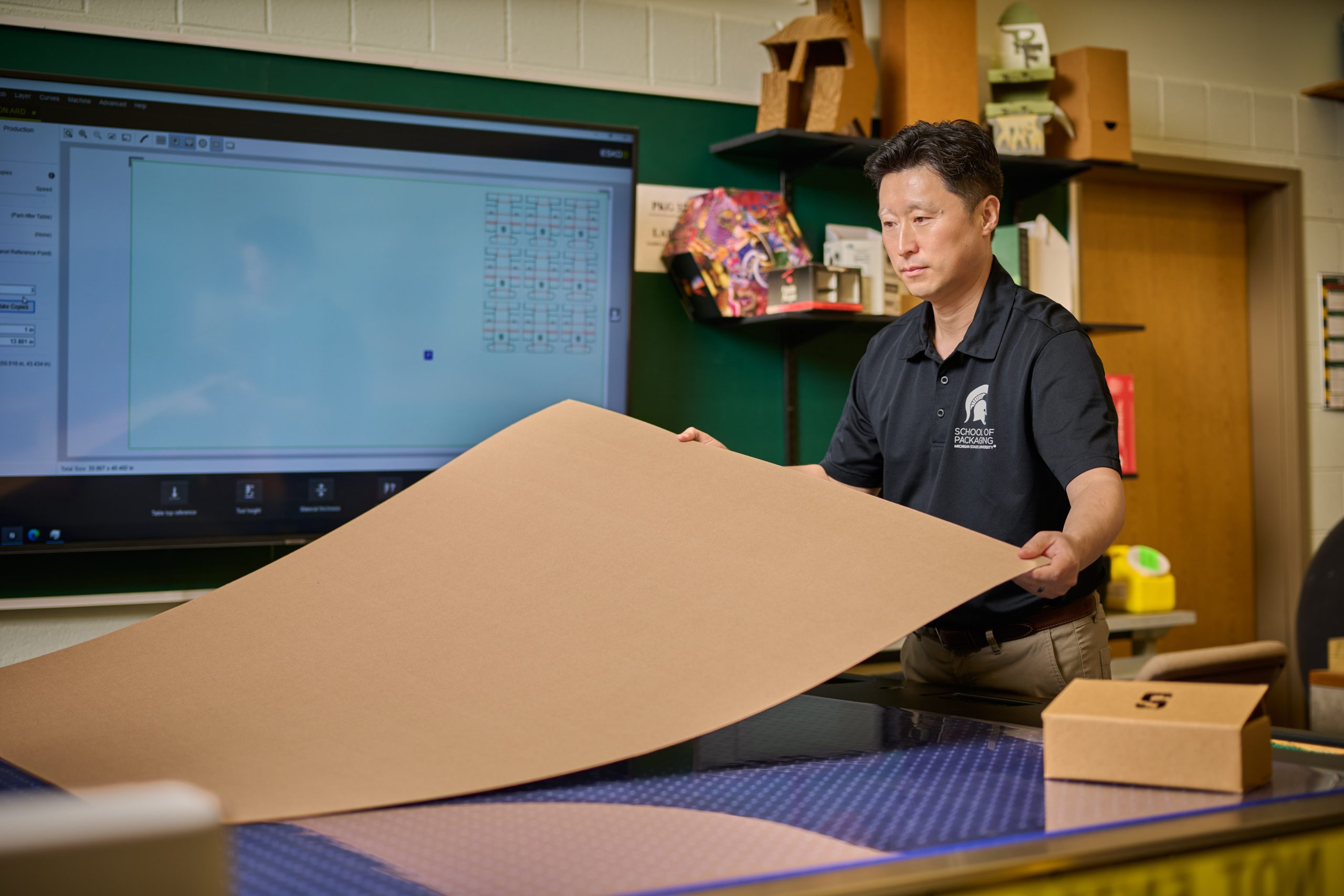 Faculty benefit from direct industry input that shapes course content and learning objectives. Kraft Heinz engineers mentor students, serve on alumni boards, and provide feedback that informs curriculum design. Their involvement in initiatives such as Career Fair Prep days and alumni mentoring programs ensure students are prepared for the realities of the workforce. This exposure to real-world challenges, such as sustainability, digital packaging capabilities, and supply chain complexities, enables faculty to translate industry needs into applied research and classroom projects.
By bringing Kraft Heinz professionals into the classroom, the partnership gives students direct exposure to current industry challenges and helps them connect packaging theory with practical applications.
Collaboration Spotlight: Rafael Auras and Sustainable Packaging
 Dr. Rafael Auras is internationally recognized for his expertise in polymers, life cycle assessment, and sustainable packaging systems. His work with Kraft Heinz exemplifies how academic research can drive industry transformation.
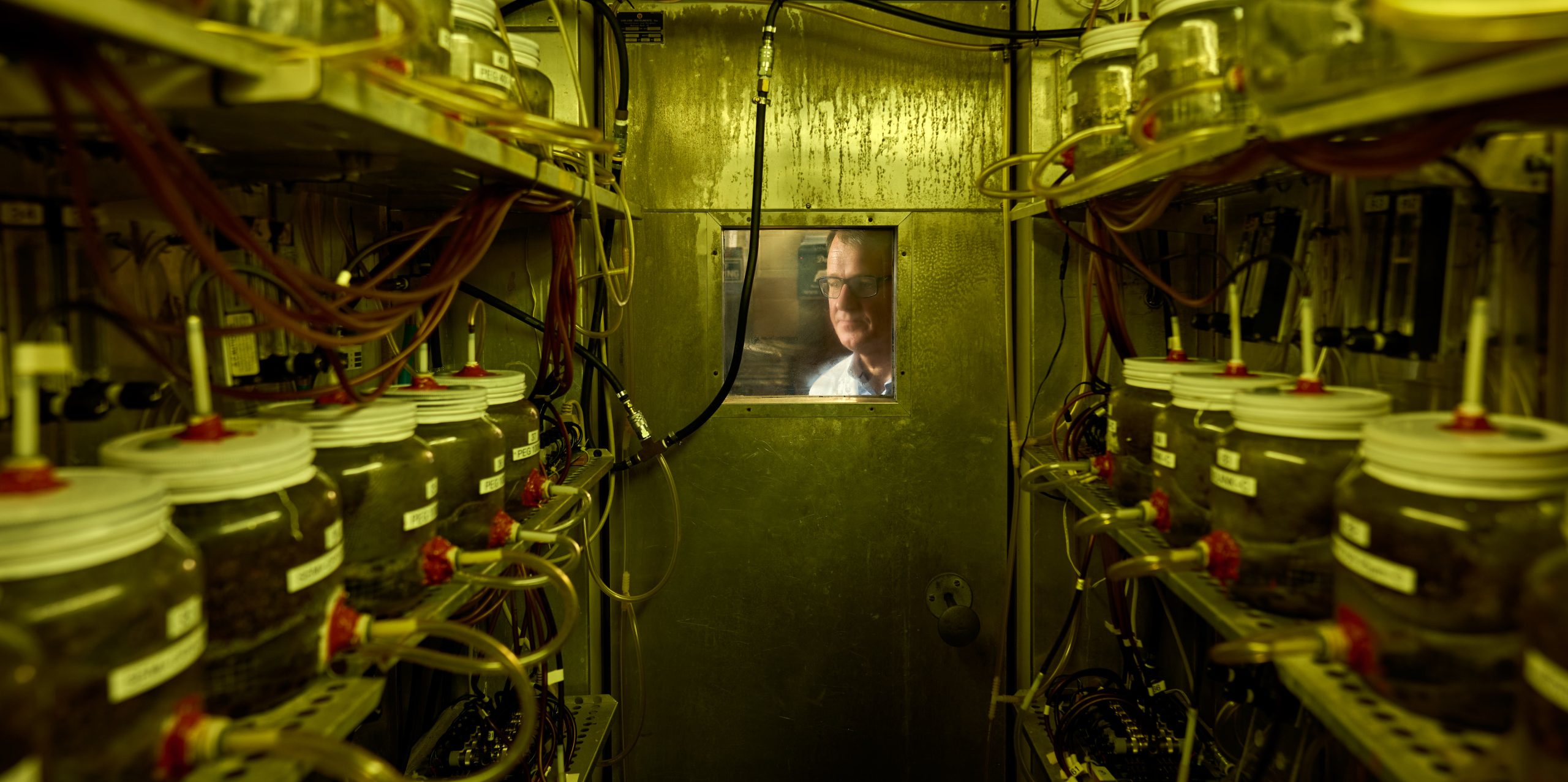
Food packaging must balance multiple demands, including protecting product quality, extending shelf life, and meeting sustainability goals. Achieving barrier performance in sustainable materials is one of the toughest challenges in packaging science. MSU research on biodegradable packaging materials has informed Kraft Heinz’s approach to sustainable packaging and innovation, helping the Kraft Heinz team make decisions for the development of more effective sustainable packaging solutions. This partnership with Dr. Auras and team resulted in two papers published by MSU in peer-reviewed scientific journals focused on approaches to accelerate the biodegradation of packaging materials in simulated composting conditions.
“This collaborative work allows us to accelerate the identification of viable material alternatives for compostable packaging,” said Edgar Castro Aguirre, Kraft Heinz Principal Engineer for Sustainable Packaging.
The impact of this work is significant. Kraft Heinz gained data-driven insights to guide packaging decisions for sustainable packaging development. MSU published peer-reviewed papers that advanced scientific knowledge and influenced industry best practices. Graduate students completed thesis projects on compostability and sustainable materials, preparing them for leadership roles in sustainable packaging.
“This partnership allows us to tackle fundamental challenges that matter to society,” Auras said. “We’re creating packaging that protects food and the planet.”
Collaboration Spotlight: Euihark Lee and AI-Powered Packaging Insights
Dr. Euihark Lee brings a unique perspective to packaging research, combining mechanical engineering, data science, and machine learning to solve problems that traditional methods overlook. Physical testing simulates shipping and handling but can’t capture all variables in real-world conditions. Failures often surface only after products reach consumers, which can impact the brand’s reputation and increase costs.
Dr. Lee’s team developed an AI-driven sentiment analysis framework to mine thousands of Amazon reviews for packaging-related complaints. This approach identifies hidden issues such as leaks, broken seals, or difficult-to-open caps that standard tests miss. It benchmarks Kraft Heinz’s packaging performance against other brands using publicly available data and employs predictive modeling to forecast potential failure points before products hit the market.
“The results were eye-opening. The findings surfaced design improvement opportunities that could reduce damage rates and increase consumer satisfaction, said Junmo Kwon, Kraft Heinz Senior Packaging Manager.
MSU filed a patent application for Lee’s AI framework, with support from the Innovation Center, positioning the university as a leader in digital packaging solutions. “We’re bridging the gap between physical testing and consumer reality,” Lee explained. “This is the future of packaging evaluations.”
Building a Talent Pipeline That Delivers
Research may drive innovation, but people make it happen. That’s why Kraft Heinz invests heavily in MSU students. Through mentoring in PKG 102, engineers guide students for six to eight weeks, helping them envision their careers. One of the first students mentored through this program, Sarah Holland, Kraft Heinz Packaging Engineer, is now a mentor herself.
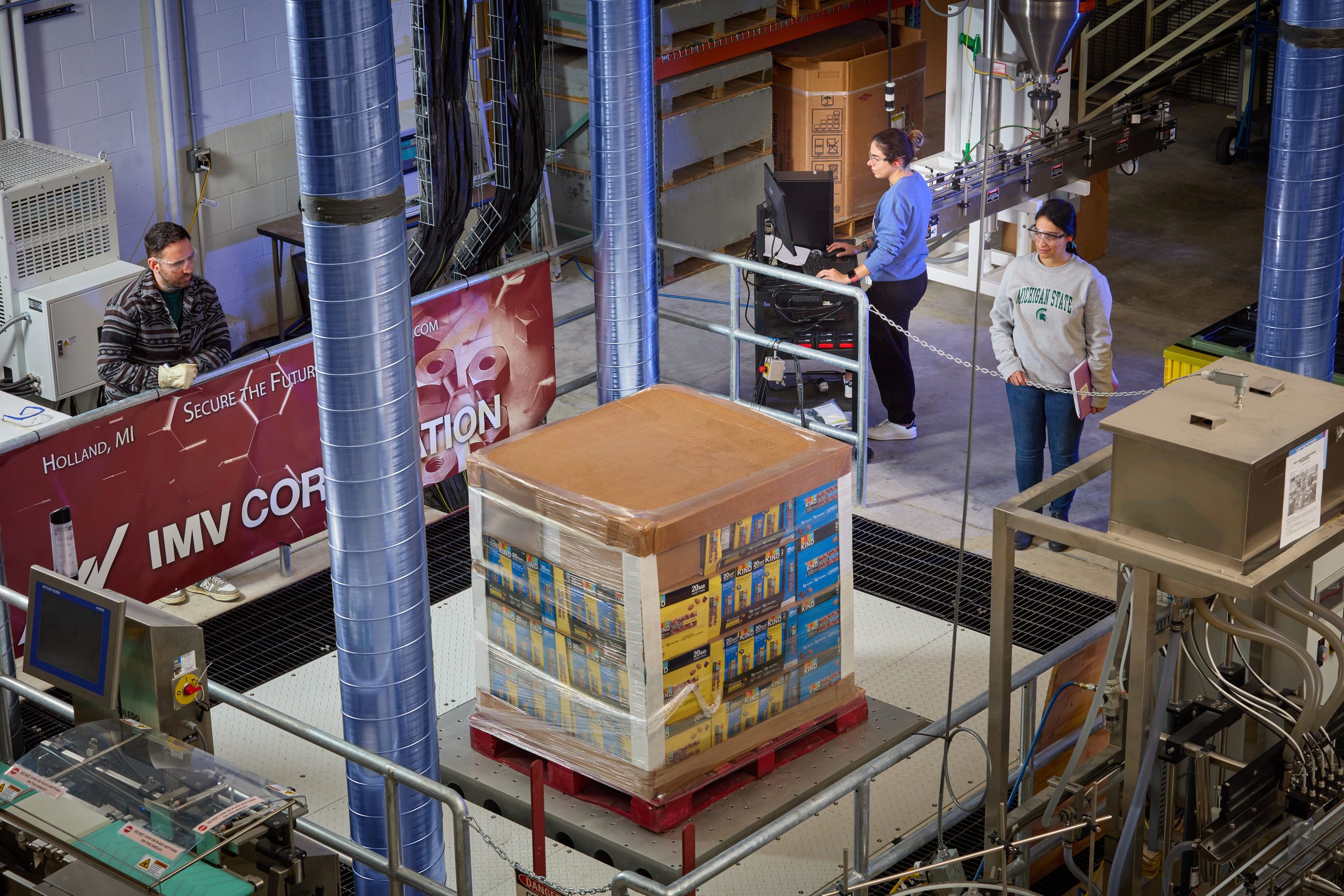 “As a former student and current industry mentor in PKG 102, I’ve seen firsthand the value of this course in connecting students with professionals who can offer guidance and mentoring. The open discussions foster a mutually beneficial environment where students gain industry insights and mentors like myself are challenged to think in new ways,” Holland said. “This course has helped me build a lasting network in the packaging industry, and I’m grateful to now pay it forward as a mentor.”
Kraft Heinz regularly recruits talent from MSU for their co-op program, reflecting confidence in the solid foundation students gain through the university’s comprehensive curriculum and industry exposure. Students also participate in job-shadowing days and site visits at Kraft Heinz’s R&D facility in Glenview, Illinois, gaining hands-on experience and valuable industry insight.
 “The talent coming from MSU reflects the comprehensive curriculum offered by the School of Packaging, as well as the university’s strong industry collaboration,” said Jill Tomlinson, MSU Packaging Alumni & Kraft Heinz Packaging Manager. “This exposure provides students with a well-rounded education and valuable practical experience, making them highly sought-after candidates for our co-op program.”
The company also supports student well-being through initiatives such as Snacks for Success, which provides product donations to fuel students during finals week.
The Role of MSU Innovation Center and Business Connect
Behind every successful industry–university collaboration is a structure that makes it easy for innovation to happen. At MSU, the Innovation Center serves as the gateway for corporate engagement, helping industry partners connect with the university’s research expertise, intellectual property, and talent. Through Business Connect, companies like Kraft Heinz are matched with faculty whose work aligns with real-world challenges, enabling collaborations that are both strategic and sustainable.
 “MSU’s partnership with Kraft Heinz is a model for holistic engagement and a great example of how industry–university partnerships can be mutually beneficial,” said Nick Miller, Executive Director of Business Connect. “The key to this has not only been shared interests, but also an intentionality on both sides to explore new avenues to collaborate.”
That intentional approach allows partnerships to grow beyond individual projects. Business Connect helps identify opportunities for sponsored research, manages contracts and compliance, and works closely with the MSU Technologies team who safeguards faculty innovations through patents, guides promising technologies toward commercialization, and moves ideas from the lab to the marketplace through licensing. Together, this support provides industry partners with a trusted, streamlined way to engage with the university.
“They take care of the paperwork so I can concentrate on research,” said Auras. “Without their support, these partnerships would take much longer to launch.” For companies like Kraft Heinz, this means faster access to MSU’s resources, clearer pathways from research to application, and a long-term partner committed to shared success.
Looking Ahead: A Blueprint for the Future
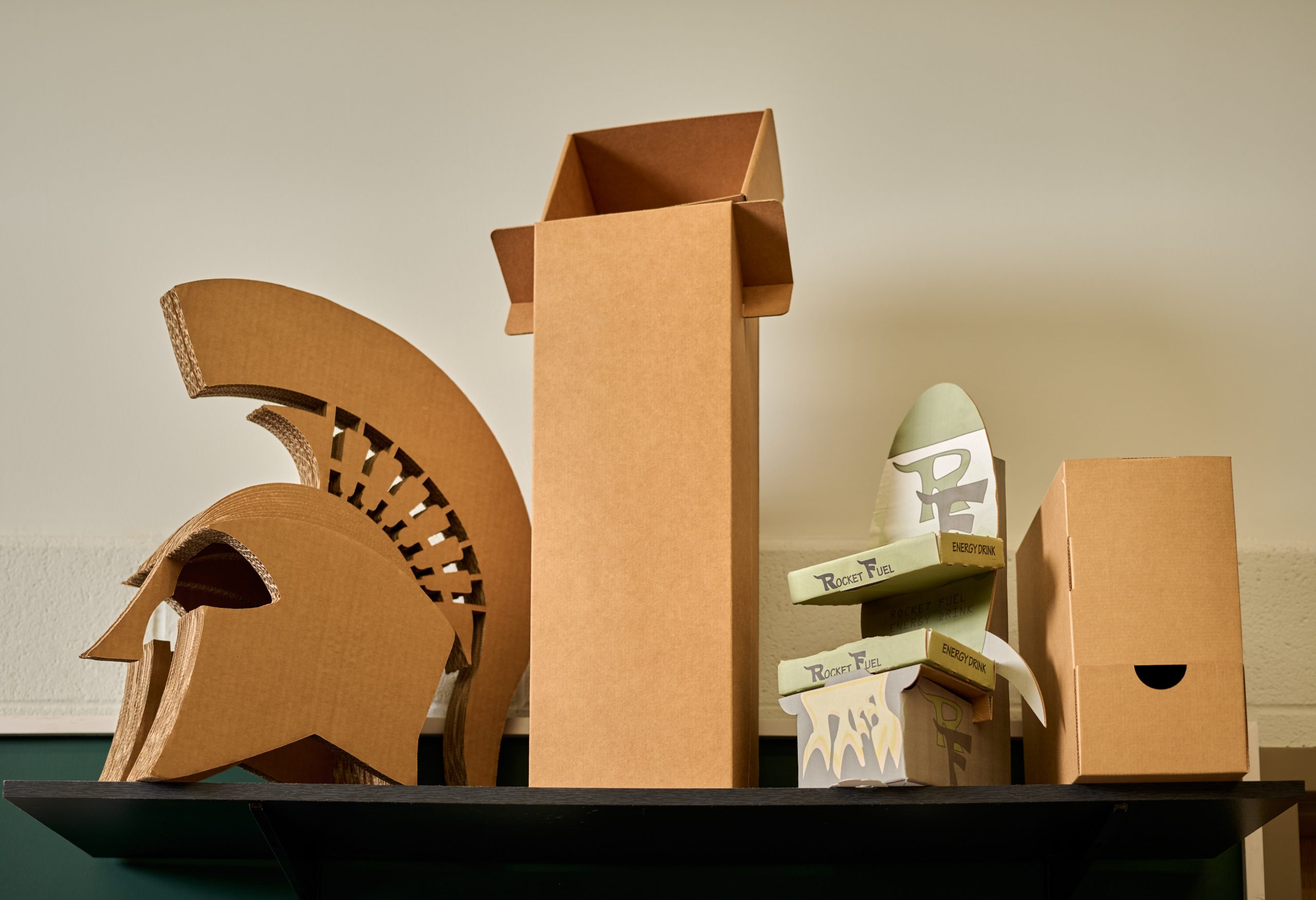 As both organizations look to the future, the focus remains on sustainability, innovation, and preparing the next generation of packaging professionals. The MSU–Kraft Heinz partnership is a model for how universities and corporations can co-create value that benefits students, industry, and society.
“Our partnership with Michigan State University’s School of Packaging delivers strategic, long-term benefits to both institutions: MSU gains real-world research impact, student engagement, and industry collaboration, while Kraft Heinz gains early access to emerging packaging technologies, accelerated sustainable innovation, and enhanced internal expertise and thought leadership,” said Maxine Roman, Kraft Heinz Lead of R&D Innovation Collaboration & Partnerships.