

For decades, cardiovascular drug development has faced a costly problem: treatments that look promising in early studies often fail when tested in people. Animal models and flat cell cultures have advanced science, but they cannot fully capture the complexity of the human heart. That translation gap slows the search for safer drugs and better therapies for heart disease.
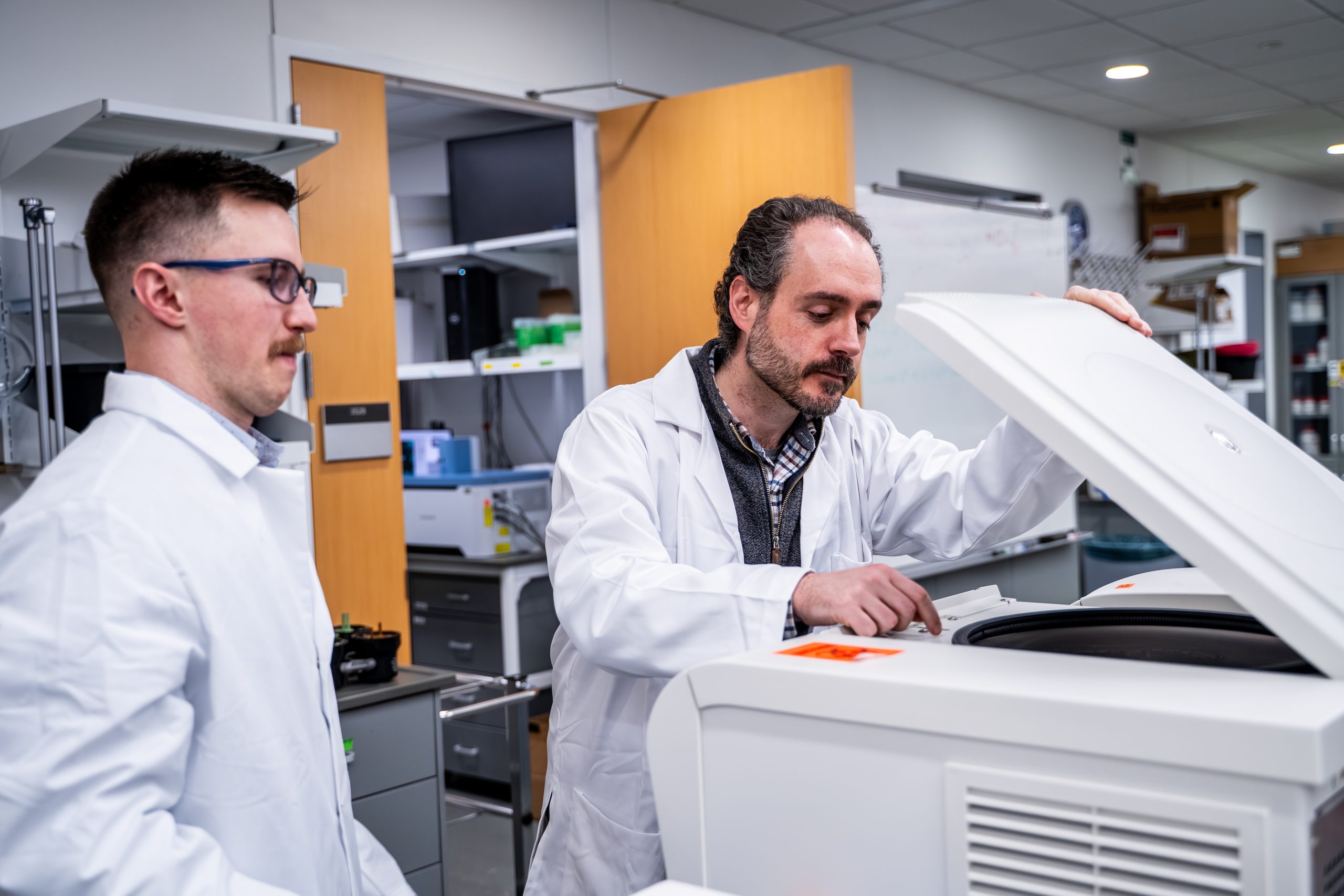
At Michigan State University, Dr. Aitor Aguirre, associate professor in the Department of Biomedical Engineering, is helping close that gap by building human heart models from stem cells. His lab develops tiny, three-dimensional heart organoids and assembloids—living models that beat, respond to disease signals, and more closely reflect human biology than traditional research systems.
“We apply an engineering perspective to biology,” Aguirre says. “Instead of mechanical parts, we work with biological ones. We are engineering the human heart in a dish.”
A Human Model with a Visible Pulse
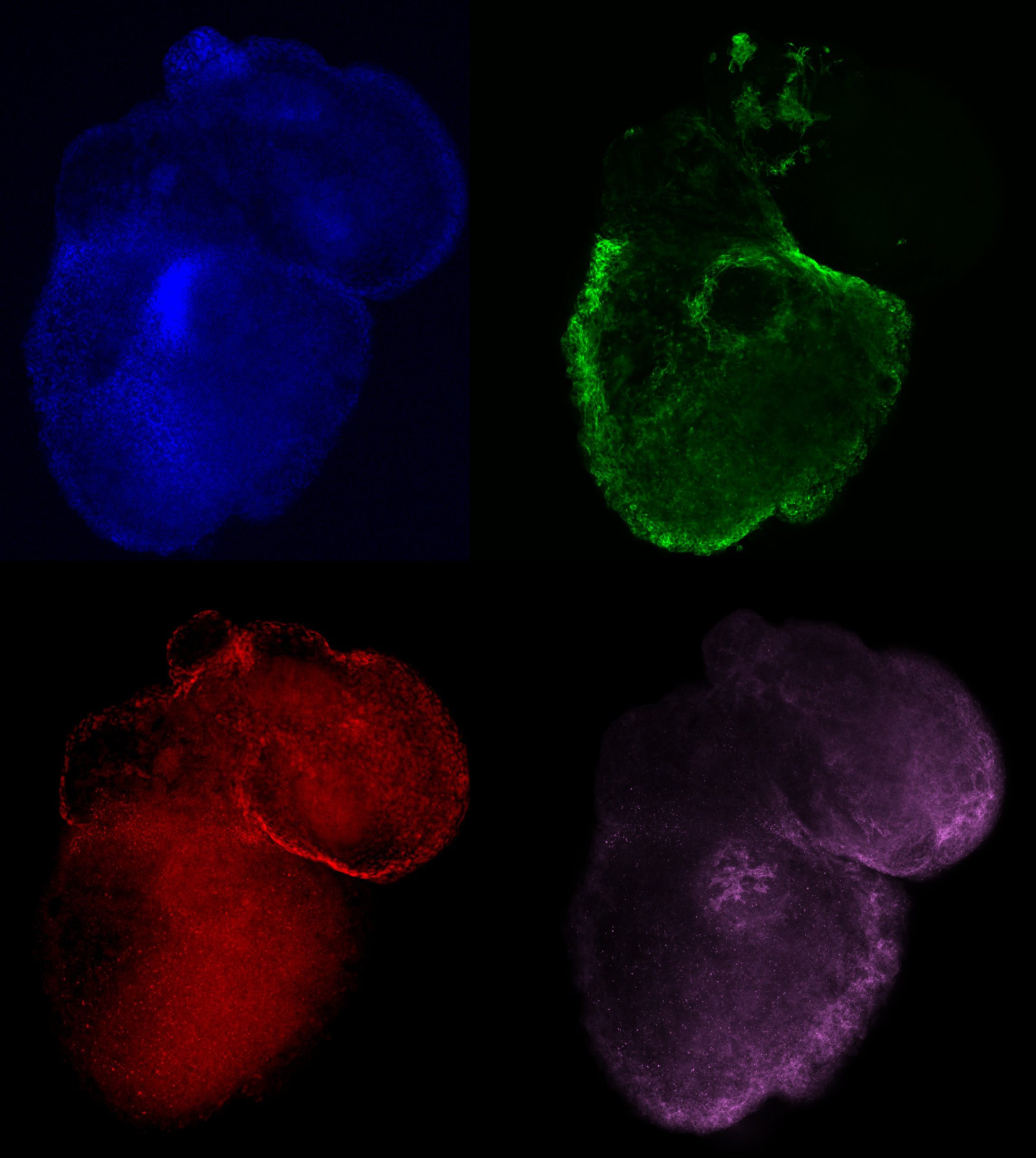
 Often described as “mini-hearts,” Aguirre’s models are about the size of a lentil and self-organize into structures with cardiac muscle, vascular cells, immune components and other features of human heart tissue. Under the microscope, they beat with a visible rhythm.
That matters because researchers and companies need better ways to understand how drugs affect the heart before they reach patients. Cardiotoxicity remains a major reason therapies fail late in development. A human-derived model that reveals risk earlier could help companies refine compounds sooner and reduce wasted time and cost.
One compelling demonstration involves atrial fibrillation, the most common heart arrhythmia worldwide. In the lab, Aguirre’s team introduced inflammatory molecules to heart organoids and watched their steady pulse shift into a chaotic, rapid-twitching state. When the team added an experimental anti-inflammatory treatment, the rhythm stabilized.
“Atrial fibrillation is the most common arrhythmia worldwide,” Aguirre says. “For 40 years, we have been unable to develop effective drugs because accurate models were lacking.”
From MSU Discovery to CytoHub Platform
The technology is now moving toward commercial use through CytoHub Inc., a biotechnology company developing human-relevant cardiac platforms for drug discovery, disease modeling and regenerative medicine. CytoHub licensed MSU’s heart organoid and assembloid technologies and is translating them into CardioVive™, a platform for testing cardiac safety and efficacy in a more predictive human system.
 Dr. Rajib Biswas, CEO of CytoHub, says the platform creates new possibilities for drug development. “This platform allows us to model human heart development and disease in a way that’s never been possible before,” he says. “We can test drugs, study congenital defects, and even explore regenerative therapies—all without relying on animal models.”
CardioVive™ is being developed as a scalable model of human heart tissue. CytoHub’s broader platform also includes CytoHub.AI™, a machine-learning system designed to support automated cell growth, differentiation and quality control.
“CardioVive™ is not just a research tool,” Biswas says. “It’s a predictive, scalable, and AI-optimized platform that can transform how we develop and test new therapies.”
Building a Path Through Commercialization
Moving a university discovery from the lab into a company requires more than scientific promise. It takes intellectual property protection, licensing expertise, startup support and partners willing to validate the technology. MSU’s innovation ecosystem helped provide that path.
MSU Technologies, part of the MSU Innovation Center, helped protect the underlying inventions and structure the licensing path. After CytoHub connected with Aguirre about potential collaboration, MSU Technologies helped formalize the relationship.
 “Following discussions with CytoHub’s leadership team, MSU Technologies executed an Option Agreement, providing a limited license to CytoHub for internal validation studies,” said Anupam Jhingran, Technology Manager for the MSU Innovation Center. “After the successful completion of these studies, CytoHub exercised its option rights and has recently obtained a worldwide exclusive license to apply our technologies to enhance drug discovery and healthcare.”
Aguirre’s recognition as the 2026 Innovator of the Year underscores the broader significance of the work. His lab has generated multiple invention disclosures and patent applications, while several related technologies have been licensed or are moving through the commercialization pipeline.
 Jon Debling, Senior Technology Manager at MSU Technologies, describes the commercial potential this way: “We are excited to support the translation of Professor Aguirre’s work into commercial use, as the potential for addressing human diseases is huge. Several technologies have already been licensed, and new inventions continue to fill the pipeline for the next generation of organoid systems.”
Aguirre says that support has been essential. “The Innovation Center has been critical to protect our inventions and publicize them to interested companies,” he says. Without that bridge, promising discoveries can remain undeveloped.
Startup Support and Early Momentum
CytoHub’s growth has also been supported by the MSU Research Foundation. Red Cedar Ventures, an investment arm of the Foundation, provided $50,000 in pre-seed funding to help the company establish operations, validate its technology and build toward commercialization.
The Foundation’s Entrepreneur-in-Residence program also provided strategic guidance, including support from Dr. Marquicia Pierce on business strategy, fundraising preparation and early-stage growth.
 Since licensing the technology, CytoHub has established operations at JLABS in San Diego, validated aspects of CardioVive™, and begun building industry relationships. The company is also advancing HeartReady™, a preclinical regenerative medicine concept using mature, lab-grown cardiomyocytes derived from the CardioVive™ platform.
“HeartReady™ is still in preclinical development,” Biswas says, “but the potential is enormous. We’re talking about a therapy that could one day reverse the damage caused by heart attacks and restore quality of life for millions of patients.”
For Biswas, the work is personal. His father suffered a heart attack while Biswas was transitioning from academia to industry, an experience that shaped his commitment to cardiac regenerative medicine. “I wanted to do something that could help patients like my father,” he says. “That’s what drives me every day.”
Why It Matters for MSU and Human Health
The MSU-CytoHub story reflects the purpose of university commercialization: connecting public research with partners that can advance discoveries toward real-world use. Early-stage support from MSU, the Corewell Health-MSU Alliance, federal agencies and foundations helped Aguirre’s lab mature the technology.
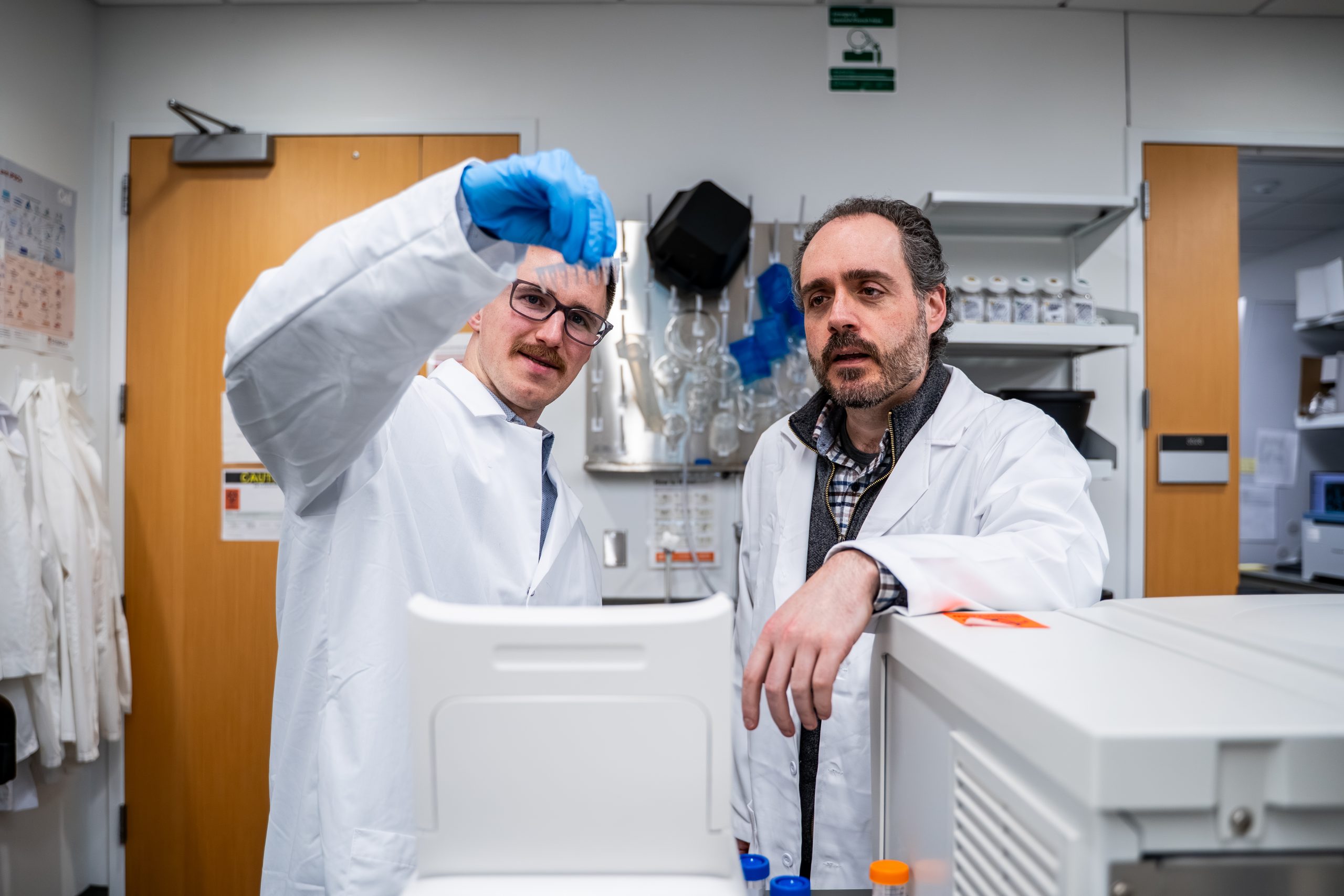 For MSU, the partnership demonstrates how faculty innovation, technology transfer, startup investment and corporate engagement can work together. For CytoHub, it provides a foundation for tools that could improve drug safety, accelerate discovery and support future regenerative therapies.
The future points toward more personalized and predictive medicine. Aguirre envisions patient-specific heart models that could help doctors test therapies before prescribing them, study disease in human-relevant tissue and improve AI-driven predictions of cardiac risk.
“This is precision medicine in action,” Aguirre says. “Engineered organoids make clinical practice more precise.”
From a lab bench in East Lansing to a biotech lab in San Diego, a tiny beating heart is helping show what the future of medicine could look like: more human, more predictive and closer to the patients it is meant to serve.