

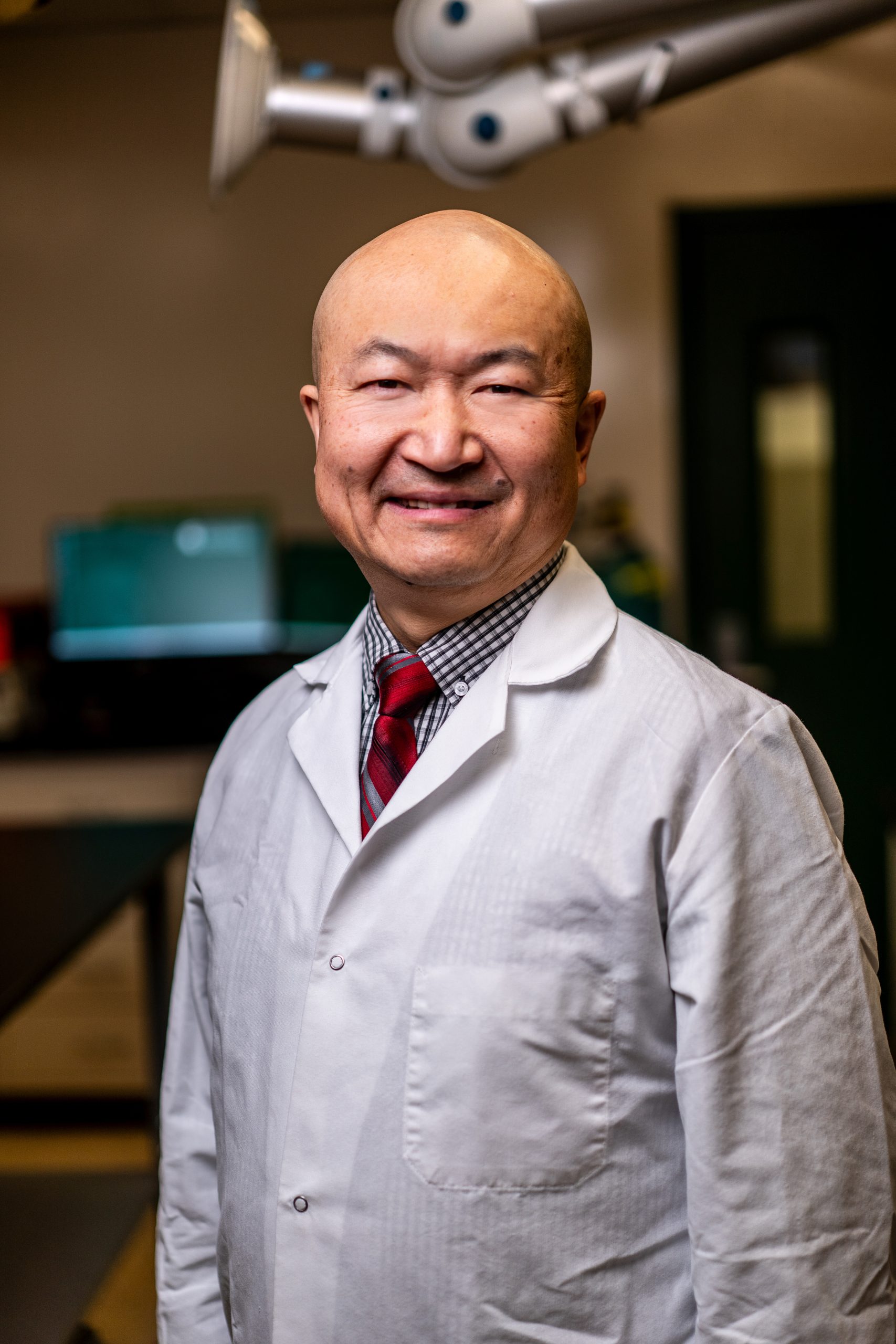
Supporting sustainability is easy; implementing it is not. Companies have to juggle rising energy costs, stricter regulations, and pressure to cut carbon emissions, all while continuing to deliver reliable products and services. For Wei Liao, Professor at Michigan State University’s (MSU) Department of Biosystems & Agricultural Engineering, the challenge is making sustainability work at scale.
“I work on turning waste into valuable resources such as energy, fuels, and clean water,” Liao says. “The big challenge is how to make environmental sustainability practical and scalable, so it works not just in the lab, but in real industry and community settings.”
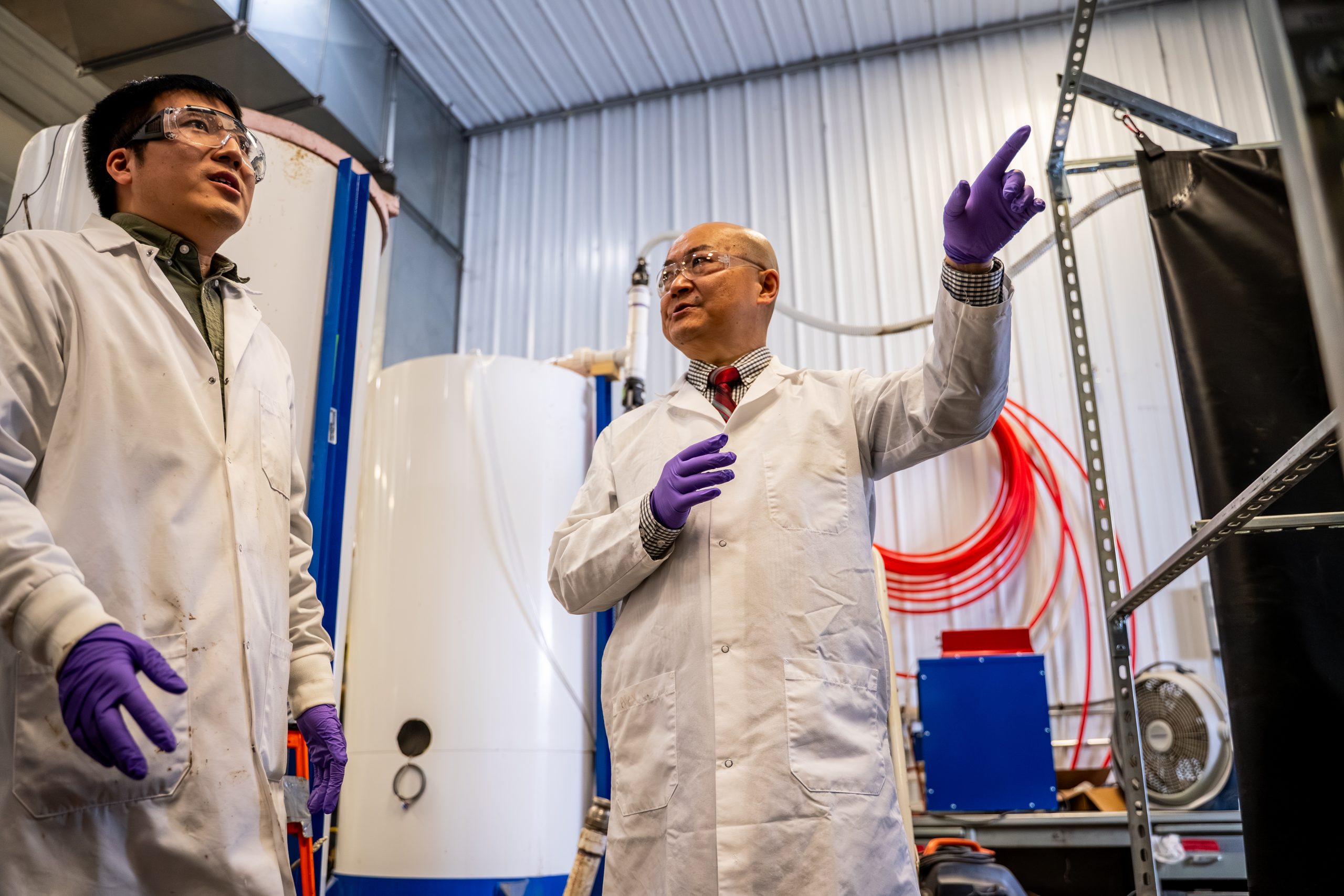
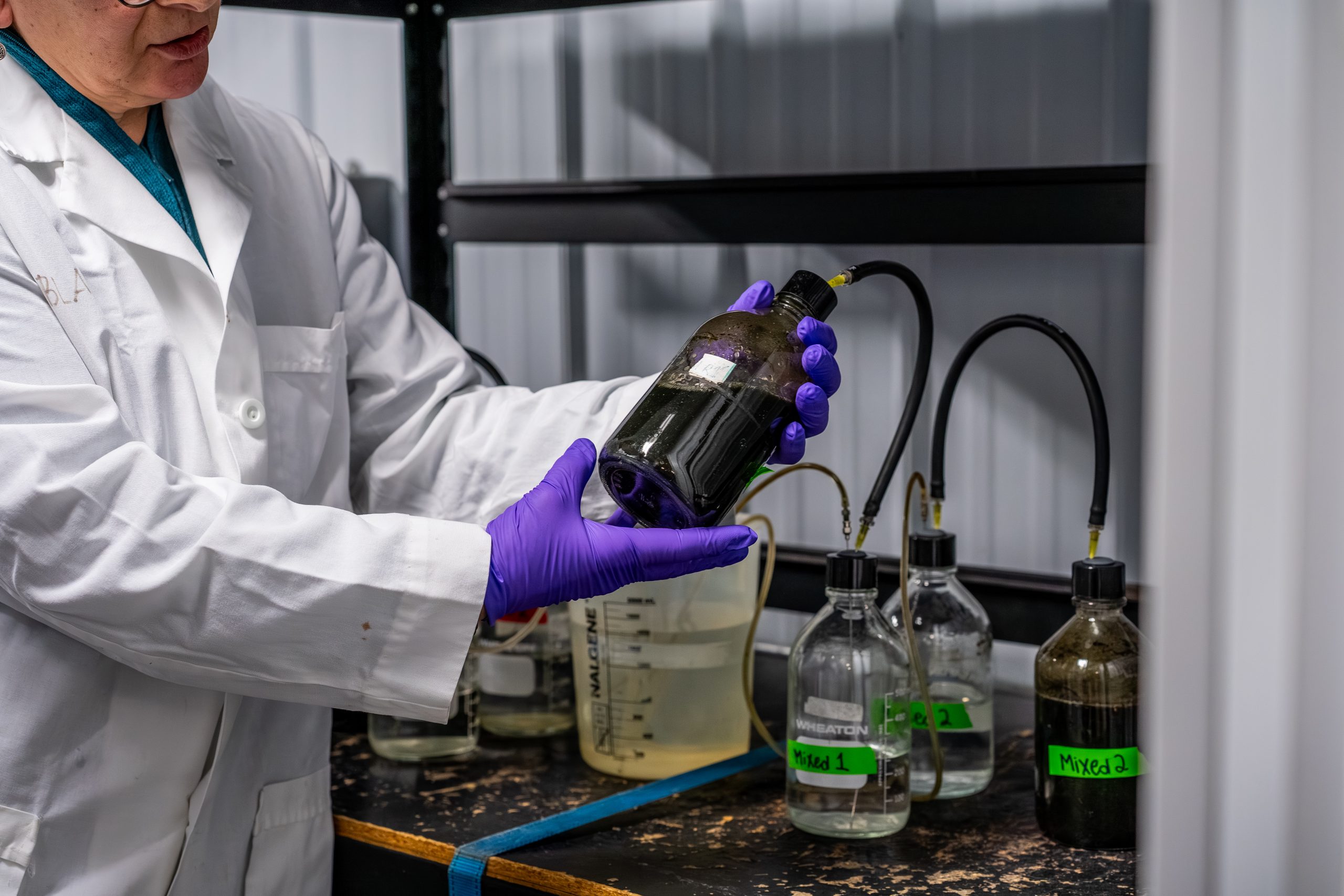
As director of MSU Anaerobic Digestion Research and Education Center (ADREC), Liao’s team blends fundamental research, down to the microbes that drive digestion, with system design, evaluating technology design and cost, and pilot-scale testing so partners can validate what works under real operating conditions. That end-to-end capability of research, design, and pilot validation, makes ADREC a practical on-ramp for partners who need solutions that perform outside the lab.
Liao’s partnerships have world-wide reach, from a global industrial gases and engineering company to a Michigan-based smart infrastructure organization, and major food processing operations.
That blend of rigorous science and real-world partnership-building has earned Liao the MSU Innovation Center’s Corporate Connector Award.
A Systems Mindset That Partners Recognize
Professor and Chairperson of the Department of Biosystems & Agricultural Engineering Brad Marks describes Liao’s value simply: “Wei and his team take what can be a problem for a company and turn it into profit,” he says. “Organic byproducts and wastewater issues can be costly and risky to manage. Liao’s work turns those problems into useful products and new revenue streams. When you do that, everybody’s happy.”
Marks points out that the key difference isn’t one tool. It’s a systems approach that begins with the problem and builds the right solution. “You don’t want just a technology,” he says. “It’s how you put all those pieces together to solve the problem. You want a solution to the problem.” 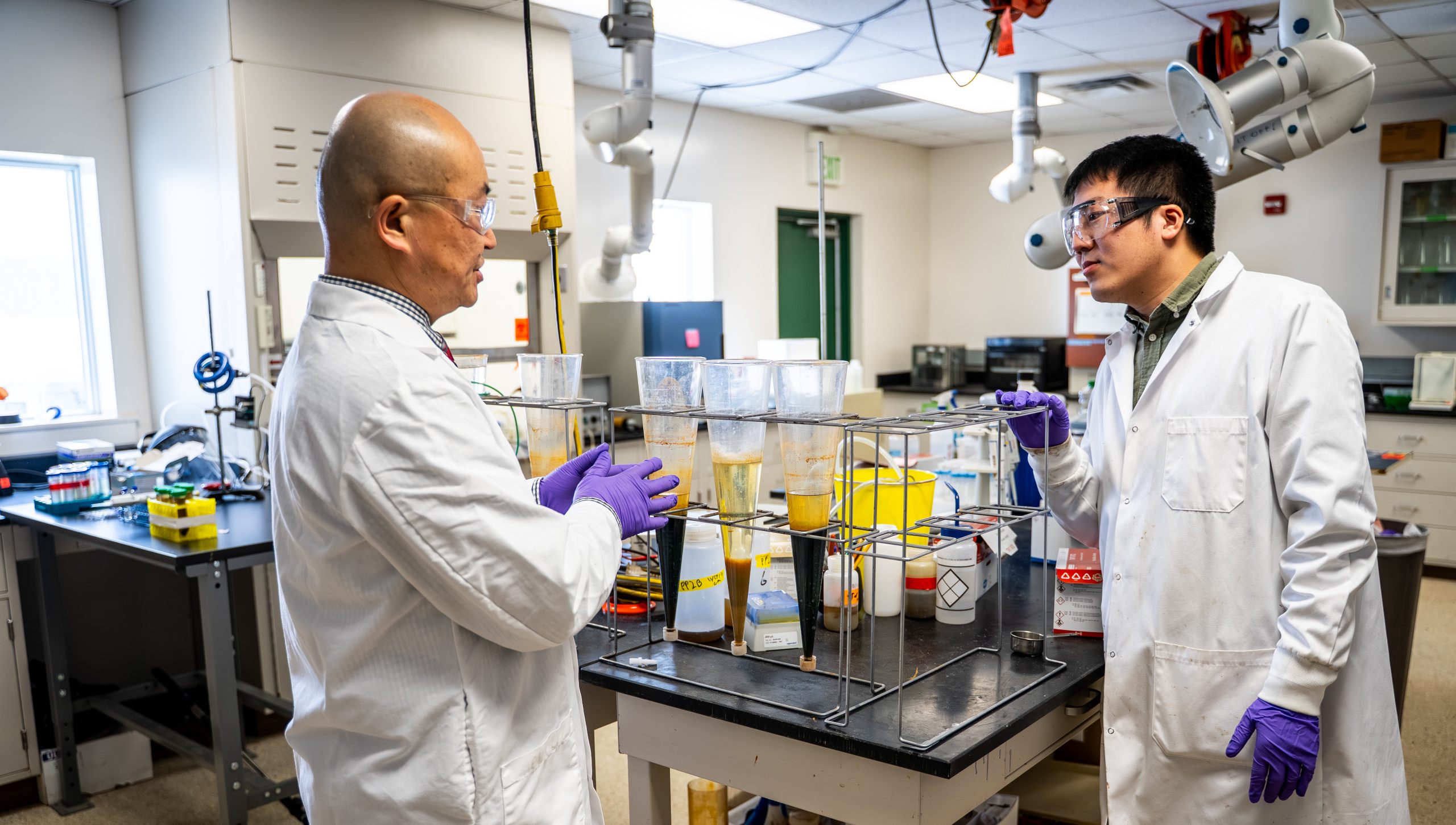
From Waste Streams to Energy, Nutrients, And Water
Liao’s work focuses on turning organic waste into useful products, such as energy, recoverable nutrients, and cleaner water. This is especially important for agriculture, food processing, wastewater treatment, and public infrastructure. These sectors generate considerable amounts of waste and need improvements without sacrificing reliability or profitability.
In recent years, ADREC developed an “integrated biologic and electrochemical technology,” a method that combines processes based on living organisms and chemical reactions involving electricity, which can simultaneously produce carbon- and nitrogen-based energy products from waste streams. He stresses that the goal is not just discovery but deployment:
“We’re scaling the technology up and testing it in the field—developing energy self-sustaining systems. Our work aims to deliver solutions that address energy security, environmental outcomes, and economic resilience.”
One partnership illustrates what that translation looks like. Liao describes work with a large milk processing facility in Michigan whose wastewater treatment system began experiencing operational instability, creating a risk to production and environmental compliance. His team helped stabilize the biological system and restore reliable performance, then advanced the collaboration toward more circular water reuse systems aimed at long-term sustainability.
De-Risking High-Stakes Decisions
For many companies, the biggest barriers to adopting new sustainability technology are technical risk, cost uncertainties, and operational liabilities. New systems may not perform as expected, unpredictable expenses may arise, and possible failures or accidents may occur. Liao’s center helps lower these barriers by providing real performance data and validating technologies under real operating conditions, so partners can feel confident before investing significant capital.
“Companies can’t make a major decision based on a test tube,” says Marks, “They need to see that it works in the real world.”
How Strong Collaborations Are Built
“Successful partnerships are built on trust, shared goals, transparency, and engaging early. They work best when both sides communicate openly and treat it as a long-term collaboration, not a one-time project,” says Liao. Corporate partnerships also offer benefits to faculty and students by bringing real-world challenges and urgency, helping academic teams focus on practical results. Industry challenges can also highlight gaps that inspire new research and technologies.
An Ecosystem That Helps Ideas Become Collaborations
Liao calls the Corporate Connector Award “deeply meaningful,” but he sees it as recognition of a broader team effort across faculty, staff, students, and partners.
He also points directly to the MSU Innovation Center as a key enabler. “The Innovation Center has been essential in providing the structure, guidance, and support needed to build strong corporate partnerships and turn ideas into real collaborations,” Liao says. He notes support for navigating agreements, aligning expectations, and speeding up partnership development—support that lets researchers focus on science and engineering while the collaboration moves ahead smoothly.
“The importance of the Innovation Center is making these partnerships possible—reducing barriers for faculty to engage so companies and faculty can benefit from each other’s expertise,” says Marks.
“Wei is a great example of what the Innovation Center seeks to do, which is to help faculty turn university research into real world impact,” says Nick Miller, Executive Director of MSU Business Connect. “The impact of his projects are felt all over the state, from stabilizing wastewater treatment in Michigan’s dairy industry to developing a model for local clean energy generation for farmers.” 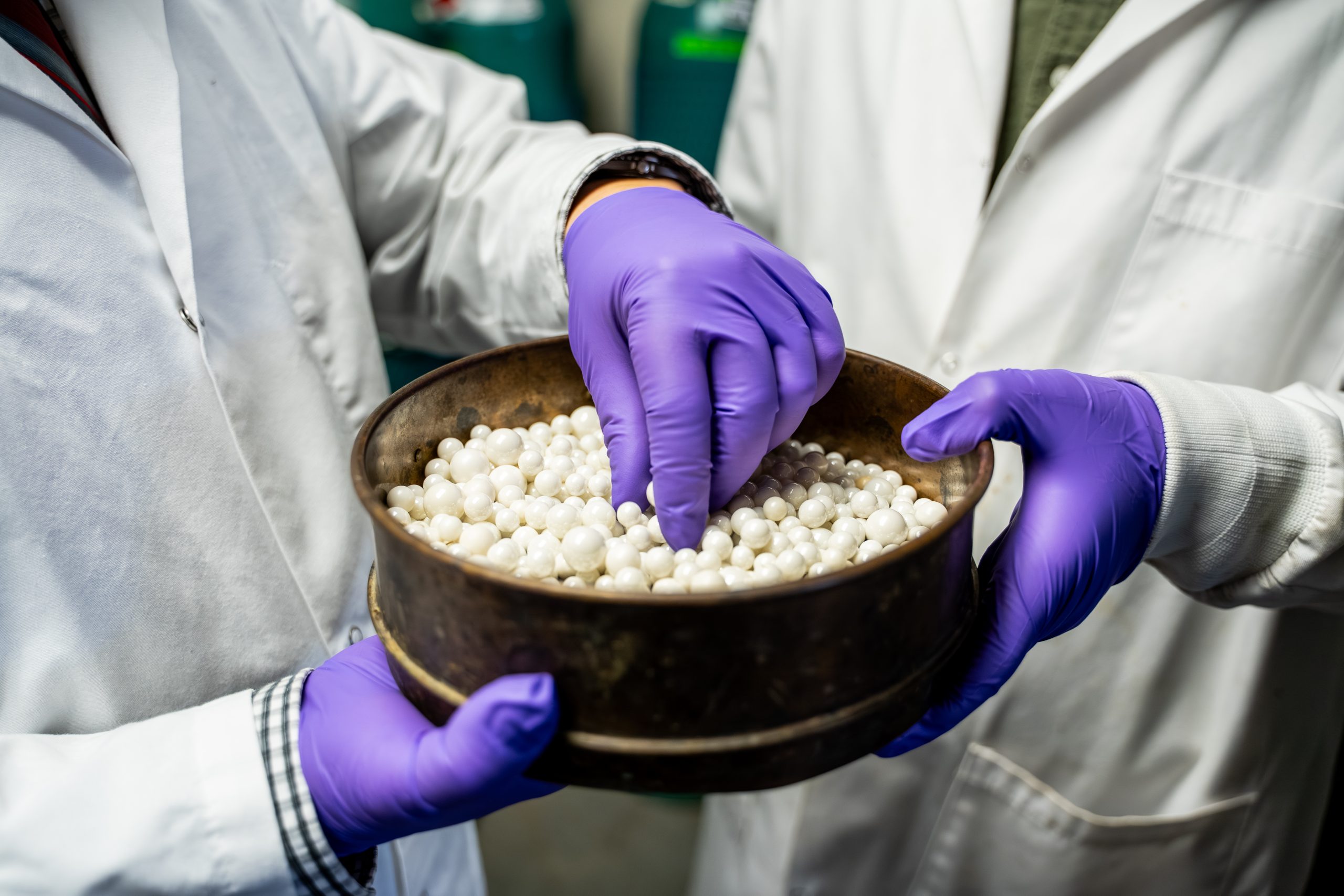
Looking Ahead
Liao is especially energized by integrated, next-generation systems that turn organic waste into clean energy, recovered nutrients, and reusable water so businesses and communities can do more than manage waste. Liao sees the future of anaerobic digestion not just as a single technology but as a platform for a new kind of circular infrastructure, one that can revitalize rural economies, protect our waterways, and be a key component of a clean energy infrastructure that’s ready for what’s next.
That’s why Liao’s work resonates beyond any one facility or sector. With sustained investment and continued university-corporate collaboration, MSU’s research and deployment can help make anaerobic digestion a cornerstone of Michigan’s strategy to build resilient communities, improve clean energy infrastructure, and protect water resources, setting an example for the Great Lakes region and beyond.
###
Partner with MSU to Help Power Sustainability at Scale
The MSU Innovation Center is seeking companies and organizations interested in anaerobic digestion, waste-to-energy systems, and circular economy solutions.
Whether you’re exploring sponsored research, licensing opportunities, or co-developing integrated biologic and electrochemical technologies, nutrient recovery systems, or sustainable wastewater treatment innovations, we’re ready to collaborate.
Visit innovationcenter.msu.edu or contact us to start the conversation.
About the MSU Innovation Center
The MSU Innovation Center supports the commercialization of research, startup creation, and corporate partnerships at Michigan State University. Through technology transfer, venture creation, and industry engagement, the Innovation Center helps transform Spartan research and ideas into market-ready solutions that benefit society and strengthen Michigan’s economy. Learn more at innovationcenter.msu.edu