

Michigan State University Showcases Another Year of Innovation
EAST LANSING, Mich. — More than 400 guests gathered on April 7 at the Henry Center for Executive Development for the Innovation Celebration, Michigan State University’s premier annual event recognizing breakthrough research, technologies, startups, and partnerships emerging from the MSU community. Hosted by the MSU Innovation Center, the event brought together faculty, students, entrepreneurs, corporate partners, investors, and community leaders for an immersive evening highlighting innovation with real-world impact.
The Innovation Celebration featured an expansive exhibition space where guests toured more than 30 faculty- and student-led exhibits, met the innovators behind emerging technologies, and explored applications spanning agriculture, advanced manufacturing, healthcare, and sustainability. The program also honored this year’s award recipients for outstanding achievement in innovation, technology transfer, research partnerships, and startup development.
“Michigan State is built to take ideas farther—beyond the lab and into the world,” said Dr. Charles Hasemann, Associate Vice President for Innovation & Economic Development. “The Innovation Celebration brings together the people who make that possible. It’s a compelling reminder that when we collaborate, we don’t just advance research; we build solutions that strengthen Michigan’s economy and improve lives.”
This year’s event featured speaker, Chad Munger, co-owner and CEO of Mammoth Distilling and an MSU alumnus whose work offers a vivid example of how university–industry partnerships can transform curiosity into real results.
Munger’s remarks emphasized how long-term collaboration between MSU and industry partners can move beyond a one-time breakthrough to create enduring pipelines of ideas, products, and public benefit. His story included Mammoth Distilling’s collaboration with MSU on heritage rye as well as the broader potential for research partnerships to translate into economic development and community impact across Michigan.
The 2026 Innovation Celebration award recipients included:
- Innovation of the Year: Zhaojian Li and Kyle Lammers, honored for their integrated apple picking robot and in-field sorting platform, a solution designed to address major pressures facing specialty-crop agriculture.
- Innovator of the Year: Aitor Aguirre, recognized for research and innovation in the field of heart organoids that replicate key heart physiology and anatomy, supporting drug discovery, safety testing, and potential cell-therapy applications.
- Technology Transfer Achievement: David Douches, honored for his work in potato variety development designed to improve yield, disease resistance, storage life, and processing reliability for the potato industry
- Corporate Connector of the Year: Wei Liao, recognized for significant engagement with the private sector on projects that convert high-strength wastewater into clean water, renewable methane, and recoverable green ammonia using biological treatment, targeted bacteriophages, anaerobic digestion, and electrochemical recovery
- Startup of the Year: Switched Source, honored for significant milestones in the commercial advancement of Phase-EQ that automatically balances electrical load in real time to unlock additional capacity, reduce outages, and enable a more reliable electrical grid.
- Student Startup of the Year: AG3 Labs, a student-founded startup, develops low-cost, highly maneuverable drone systems for military and defense training.
The MSU Innovation Celebration is proud to have been featured during this year’s 517 Entrepreneurship & Innovation (E&I) Week—the Lansing region’s five-day celebration of bold ideas, entrepreneurship, and collaboration. E&I Week brings together founders, builders, students, investors, and community members to Innovate. Celebrate. Connect. through 20+ events across Greater Lansing.
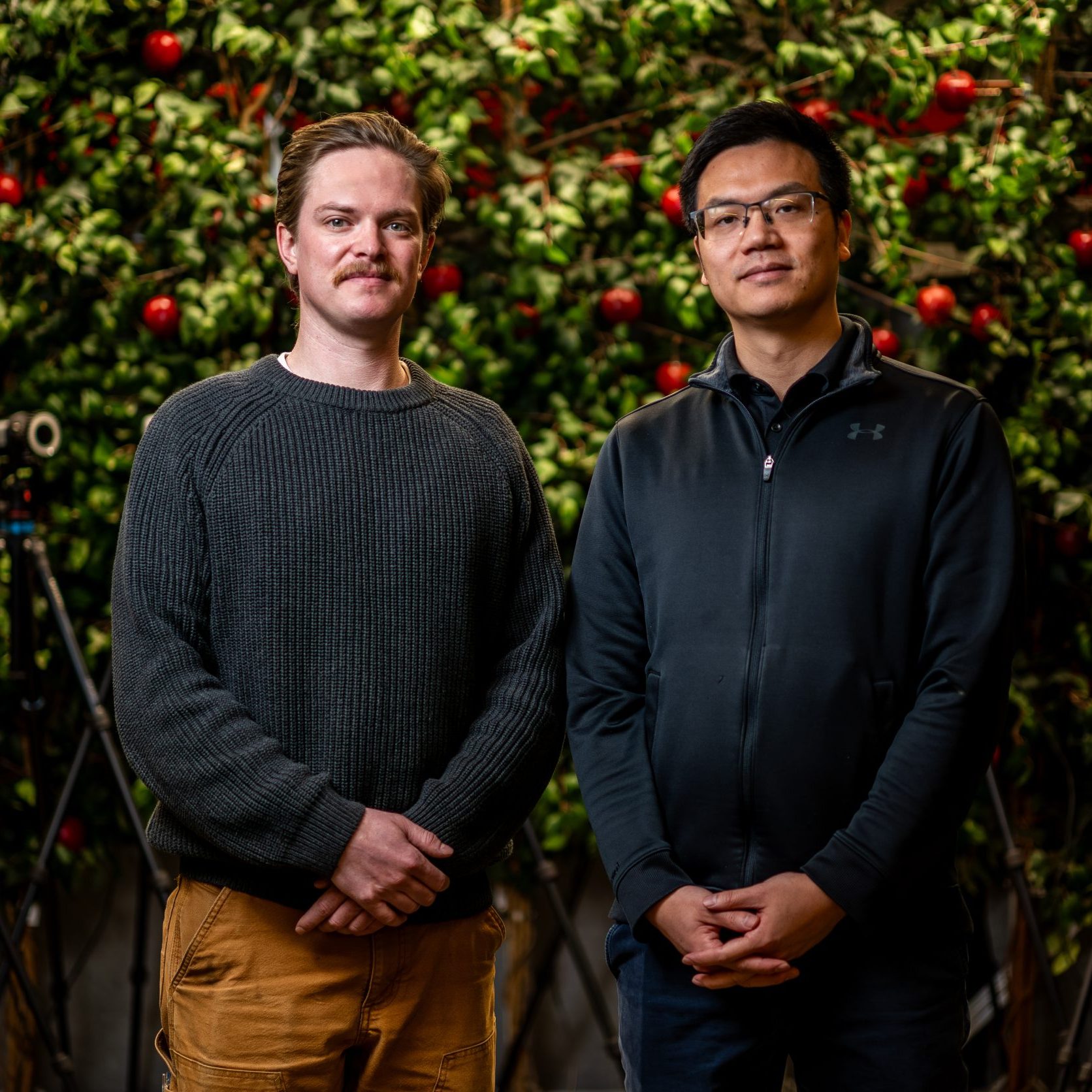
Innovation of the Year: A Robotic Apple Harvester Built for Real Orchards
When harvest windows are short and labor is scarce, the future of Michigan’s specialty crops is on the line. Michigan State University engineers are tackling that challenge head-on with a dual‑arm, AI-powered apple‑harvesting robot designed to perform in real orchards—not idealized lab settings—where variable light, dense foliage, and hidden fruit are the norm. Built to help growers keep fruit on the tree from becoming fruit on the ground, this breakthrough shows how applied engineering, deep learning, and MSU’s innovation ecosystem are working together to keep high‑value agriculture rooted in Michigan. Read how this research moved from orchard trials to startup formation—and why its timing couldn’t be more critical.
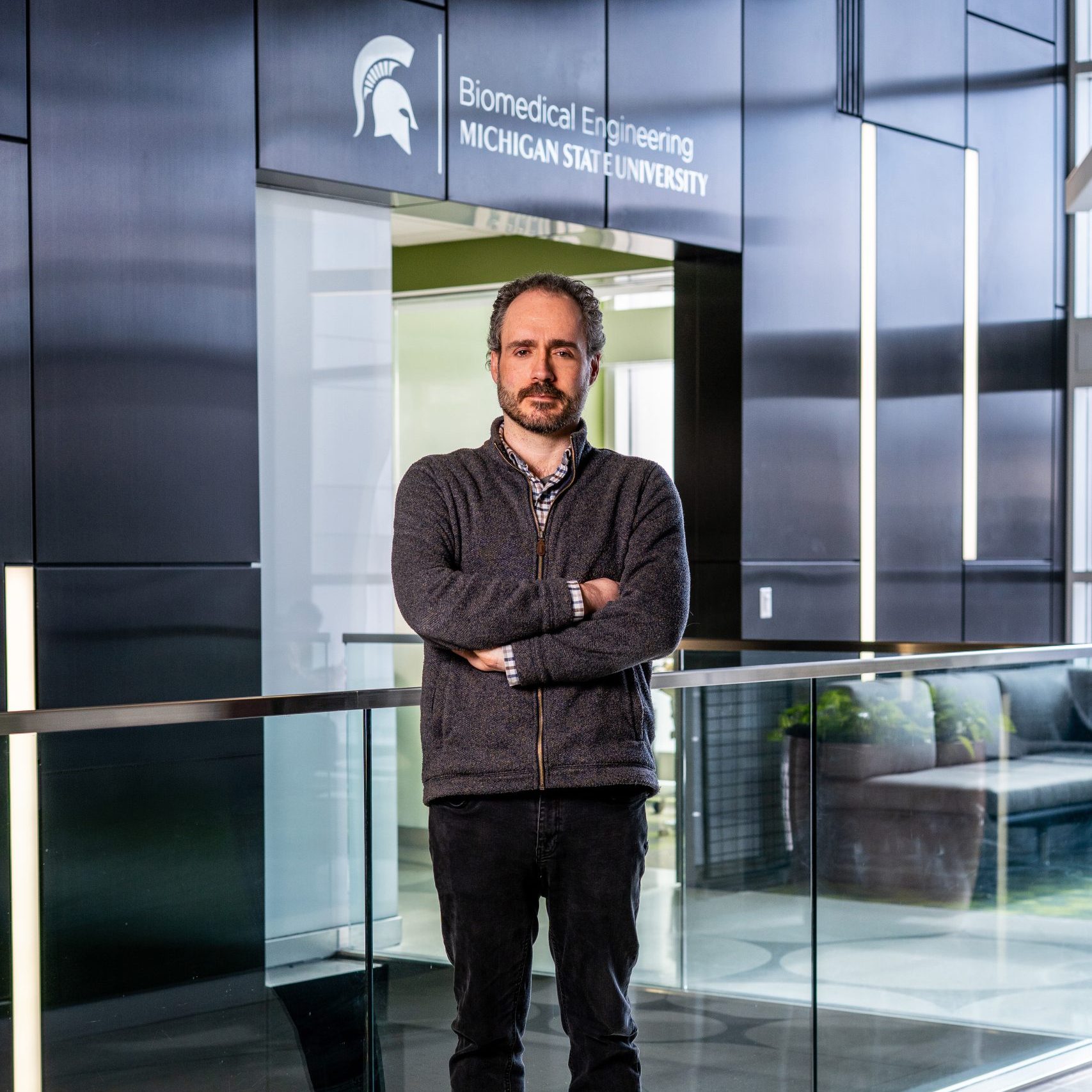
Aitor Aguirre is Revolutionizing Medicine by Creating “Mini Hearts” to Speed Drug Development and Improve Safety
For decades, cardiovascular drug development has stalled on a costly problem: therapies that look promising in animals often fail in humans. At Michigan State University, biomedical engineer Aitor Aguirre is changing that equation by engineering human hearts in a dish—beating, three‑dimensional cardiac organoids that closely mimic real human heart tissue. These “mini‑hearts” allow scientists to observe arrhythmias, test drug safety, and predict human responses long before clinical trials begin. Recognized as MSU’s 2026 Innovator of the Year, Aguirre’s work—supported by the MSU Innovation Center—is redefining how life‑saving heart treatments are developed and bringing precision medicine closer to reality. Click through to see how engineered biology could finally close the translation gap in heart disease research.

Powering Sustainability at Scale: Wei Liao Turns Waste into Working Solutions
Turning sustainability goals into real-world results is where many companies get stuck. At Michigan State University, Professor Wei Liao is helping industry bridge that gap by transforming organic waste into clean energy, recoverable nutrients, and reusable water—at a scale that actually works. Through MSU’s Anaerobic Digestion Research and Education Center, Liao combines deep scientific expertise with pilot-scale testing and industry partnerships to de-risk high‑stakes sustainability decisions and prove solutions under real operating conditions. Recognized with the MSU Innovation Center’s Corporate Connector Award, his work shows how waste streams can become revenue streams—and how circular infrastructure can power a more resilient future. Click through to see how MSU is making sustainability practical, profitable, and scalable.
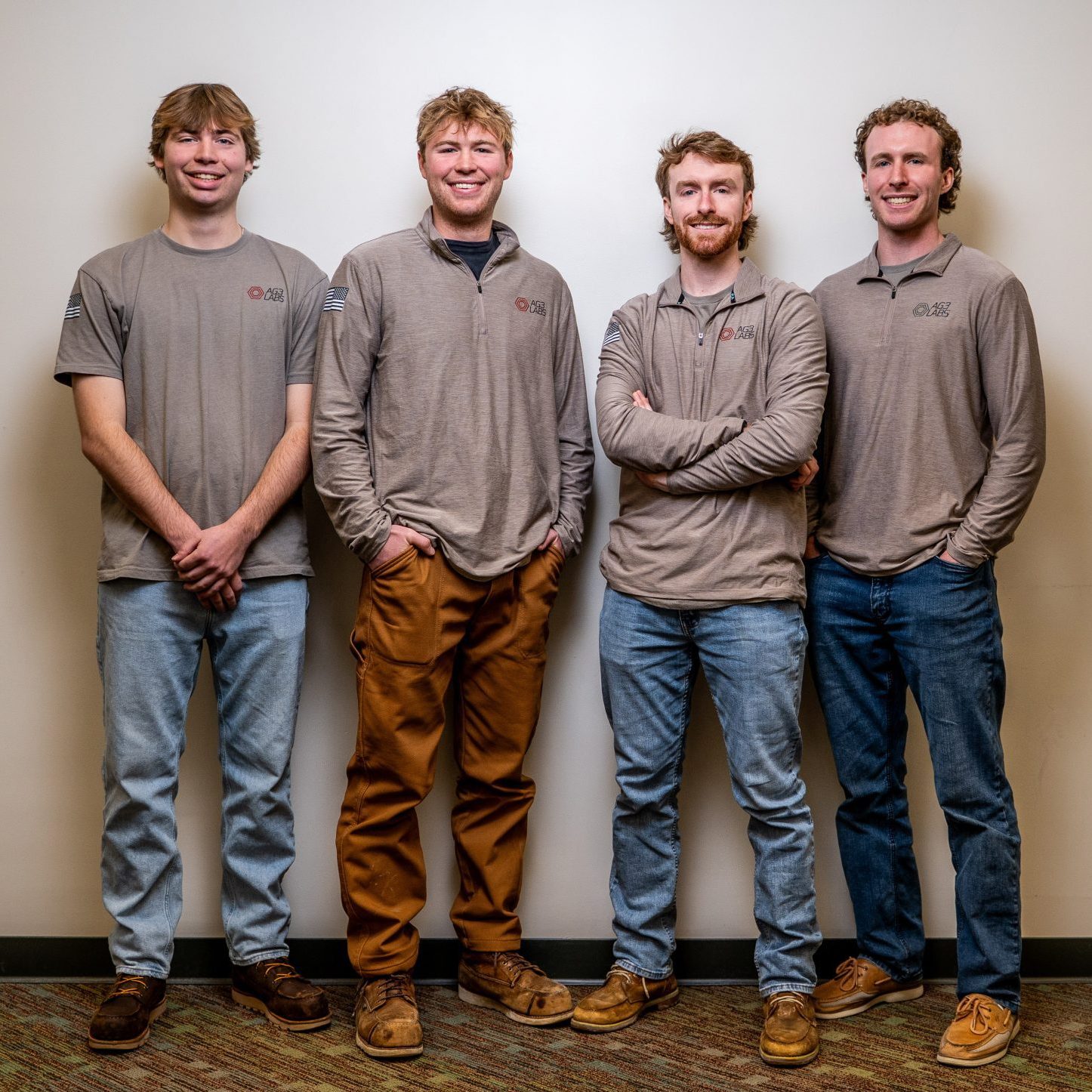
Student Startup of the Year: AG3 Labs Builds LowCost Drone Swarms for Realistic Training
AG3 Labs is rethinking how military and defense teams train for modern aerial threats. Founded by Michigan State University students, the startup builds low‑cost, highly maneuverable drones designed specifically to fly in coordinated swarms as realistic training targets—not overengineered multipurpose platforms. By stripping away nonessential technology, AG3 Labs enables affordable, scalable, real‑world training environments that better reflect the unmanned threats seen in today’s conflicts. Read how hands‑on MSU research, field validation, and support from the Burgess Institute helped turn a student engineering project into an award‑winning startup now preparing to scale production.
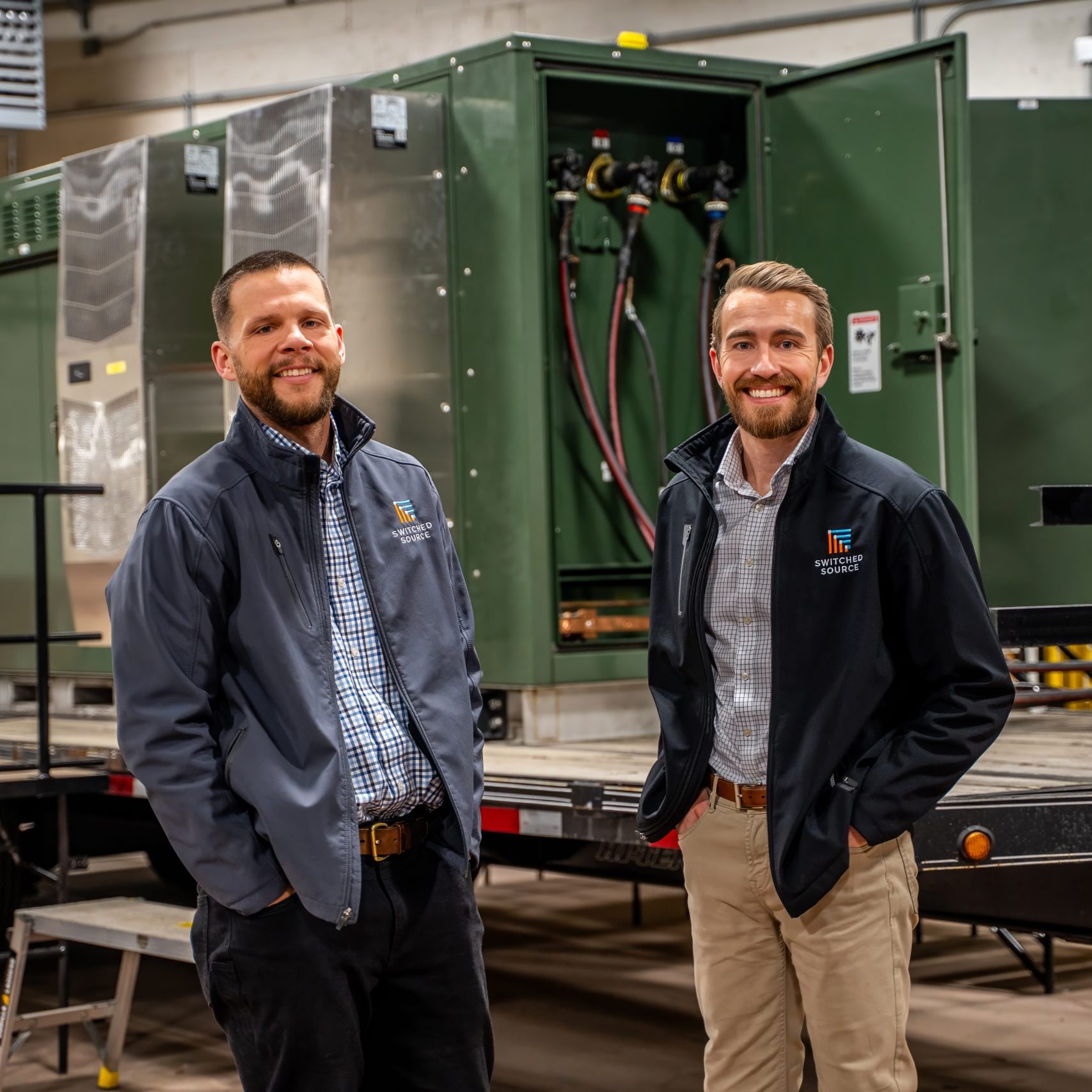
Startup of the Year: Switched Source Helps Utilities Unlock Capacity on the Grid Without Costly Upgrades
As electric vehicles, data centers, and electrified buildings push power demand to new highs, utilities are running out of time—and budget—for traditional grid upgrades. Switched Source, named the MSU Innovation Center’s Startup of the Year, offers a faster alternative: real‑time power electronics that rebalance electricity flows and unlock hidden capacity on existing infrastructure. By increasing usable grid capacity without new wires or substations, the company is helping utilities defer costly construction while accelerating clean energy adoption. Click through to see how a decade of MSU‑rooted research is now powering a pivotal shift in how the grid grows.

David Douches Breeds Better Potatoes and a Sustainable Path to the Field
Potatoes rarely make headlines, yet they sit at the center of global food security—and quietly depend on decades of behind‑the‑scenes innovation. At Michigan State University, plant breeder David Douches has spent his career translating long‑term research into potato varieties that are more resilient, more sustainable, and more valuable to growers, processors, and consumers alike. From extending Michigan’s storage season with industry‑defining varieties like Manistee to pioneering next‑generation diploid breeding and consumer‑ready innovations such as the vibrant Blackberry potato, Douches’ work shows how incremental genetic gains can drive real economic and environmental impact. Click through to see how MSU is turning plant science into progress—from the field to the grocery shelf.