


David Douches, a Michigan State University (MSU) Distinguished Professor in the Department of Plant, Soil, and Microbial Sciences, describes plant breeding as a career-long mission: “We are the scientists behind the scenes, creating potatoes that are better for the farmers, better for the industry, and ultimately better for the consumer.” For decades, he has focused on moving discoveries from the lab into growers’ fields—work that earned him the MSU Innovation Center’s Technology Transfer Achievement Award.
Potatoes are among the world’s most important staple crops, yet the innovations that keep them productive under shifting weather and disease pressure can be easy to miss. “Plant breeding is a long-term game of incremental gains,” Douches says. “Those small changes in germplasm drive the industry forward. My goal is to translate research into improved varieties that offer real economic resilience for growers.” 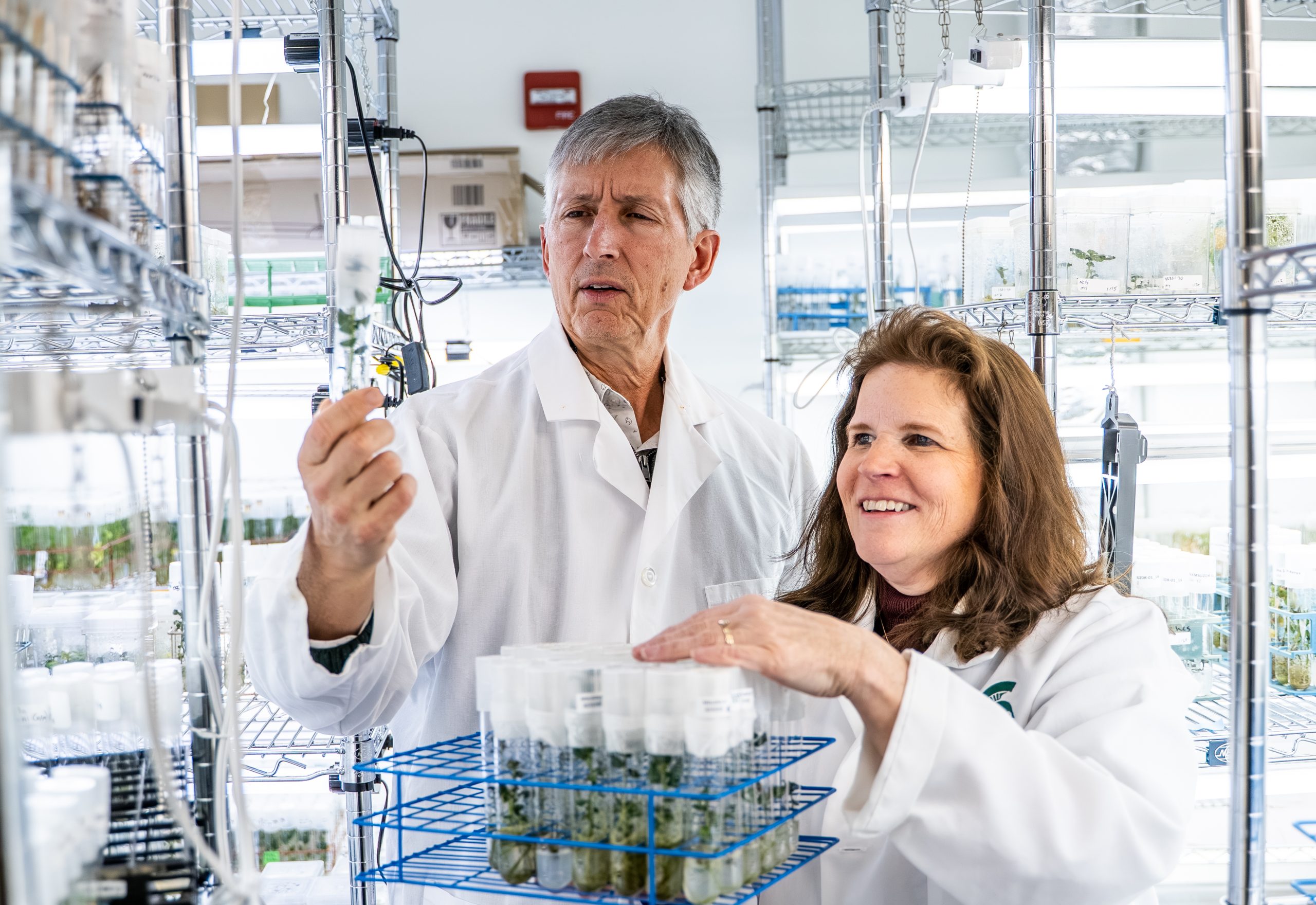
Extending the Season: The “Manistee” Impact
A key marker of Douches’ success is the “Manistee” variety, now widely used in the potato chip industry. When he first arrived at MSU, Michigan potatoes were typically stored only until March. “Today, thanks to traits bred for resilience and storage quality, Michigan growers can store crops until July,” he says—helping ensure a steady supply of Michigan-grown potatoes until the next fresh crop arrives. The longer processing window has helped stabilize planning and demand for growers and processors.
Manistee’s success was not only about storage quality, but also durability under real-world stress. During commercial testing, it withstood tough seasonal conditions that caused other candidates to fail. “Manistee stood out because of its sheer resilience,” Douches notes. “Seeing it thrive where others struggled confirmed its potential for a major industry release.” 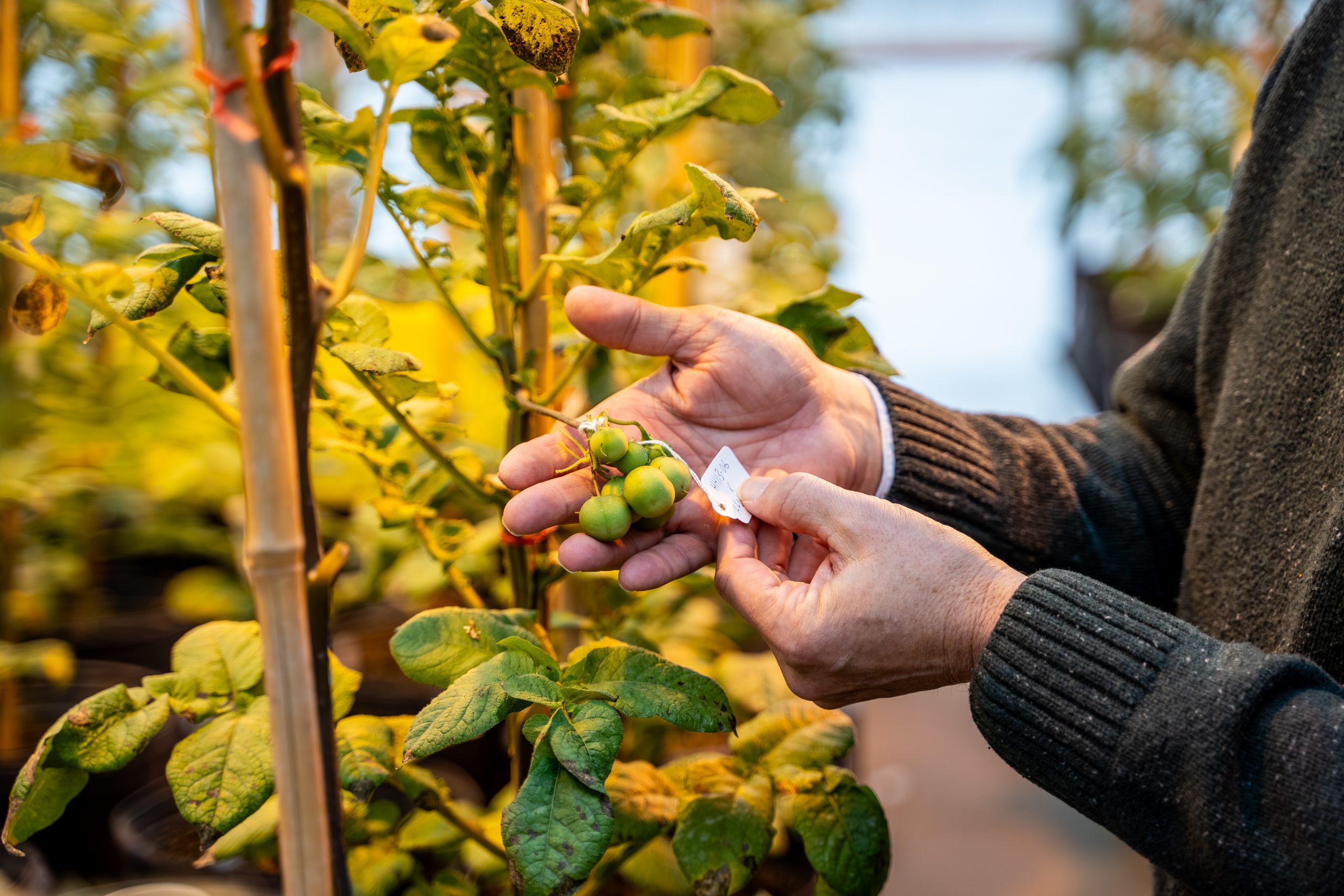
A Sustainability Feedback Loop
The impact of Douches’ work extends beyond yield and into sustainability. By breeding genetic resistance to pests and diseases—such as scab, late blight (the disease behind the Irish Potato Famine), and the Colorado potato beetle—his program can reduce reliance on chemical interventions.
“One of the primary benefits of Dave’s work is sustainability,” says Sydney Everhart, chairperson of the Department of Plant, Soil, and Microbial Sciences. “Breeding potatoes with natural resistance reduces the need for complex management and lowers chemical use, benefiting both the environment and farmers’ bottom line.”
Everhart also points to the global feedback loop built into Douches’ program. Because potatoes are grown worldwide, Douches has sent breeding material broadly for evaluation. Working with growers in different regions, including small-scale family farmers, generates practical insights that can improve commercial systems back in Michigan. “It’s a translational model that affects human life on a basic, fundamental level,” Everhart says. 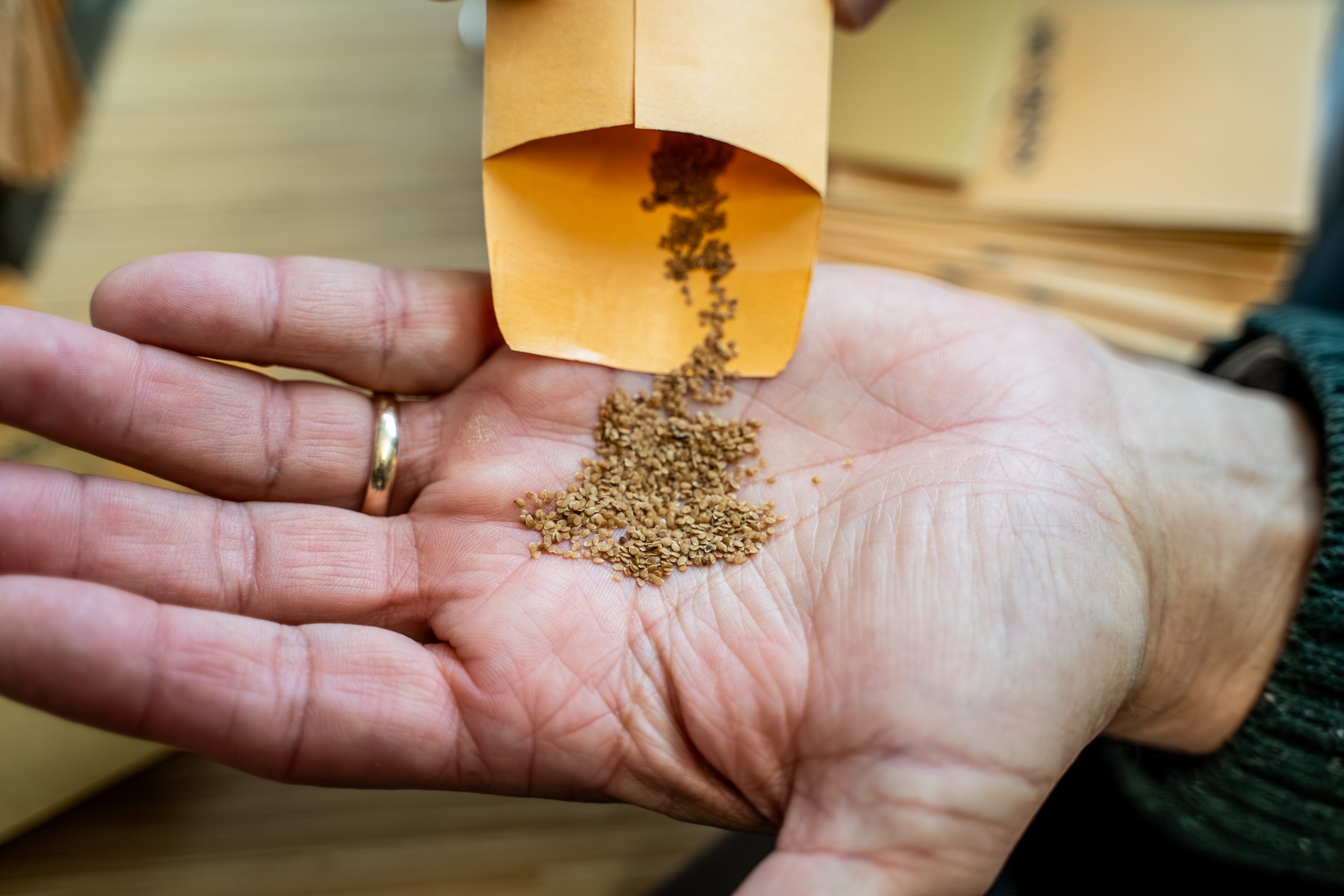
The Next Frontier: The Diploid Breakthrough
After decades refining traditional tetraploid breeding, Douches is optimistic about the next generation of potato innovation: diploid breeding. Traditional potatoes are tetraploids with four sets of chromosomes. Their genetic complexity can make breeding for specific traits slow and unpredictable. Diploid breeding simplifies the genetics to two sets of chromosomes, allowing modern tools to be applied more effectively and accelerating the development of resilient varieties.
Diploid breeding may also help the industry move toward “true potato seed.” “Traditionally, potatoes are grown from vegetative tubers, which are bulky and risk disease transfer,” Douches explains. “Our diploid program aims to enable true potato seed production. This would transform how potatoes are produced and distributed, making breeding more efficient and accessible worldwide.”
Everhart says this mindset is a hallmark of innovation. “He doesn’t just focus on past successes,” she adds. “He identifies problems … and develops high-tech biological solutions that advance the entire field.” 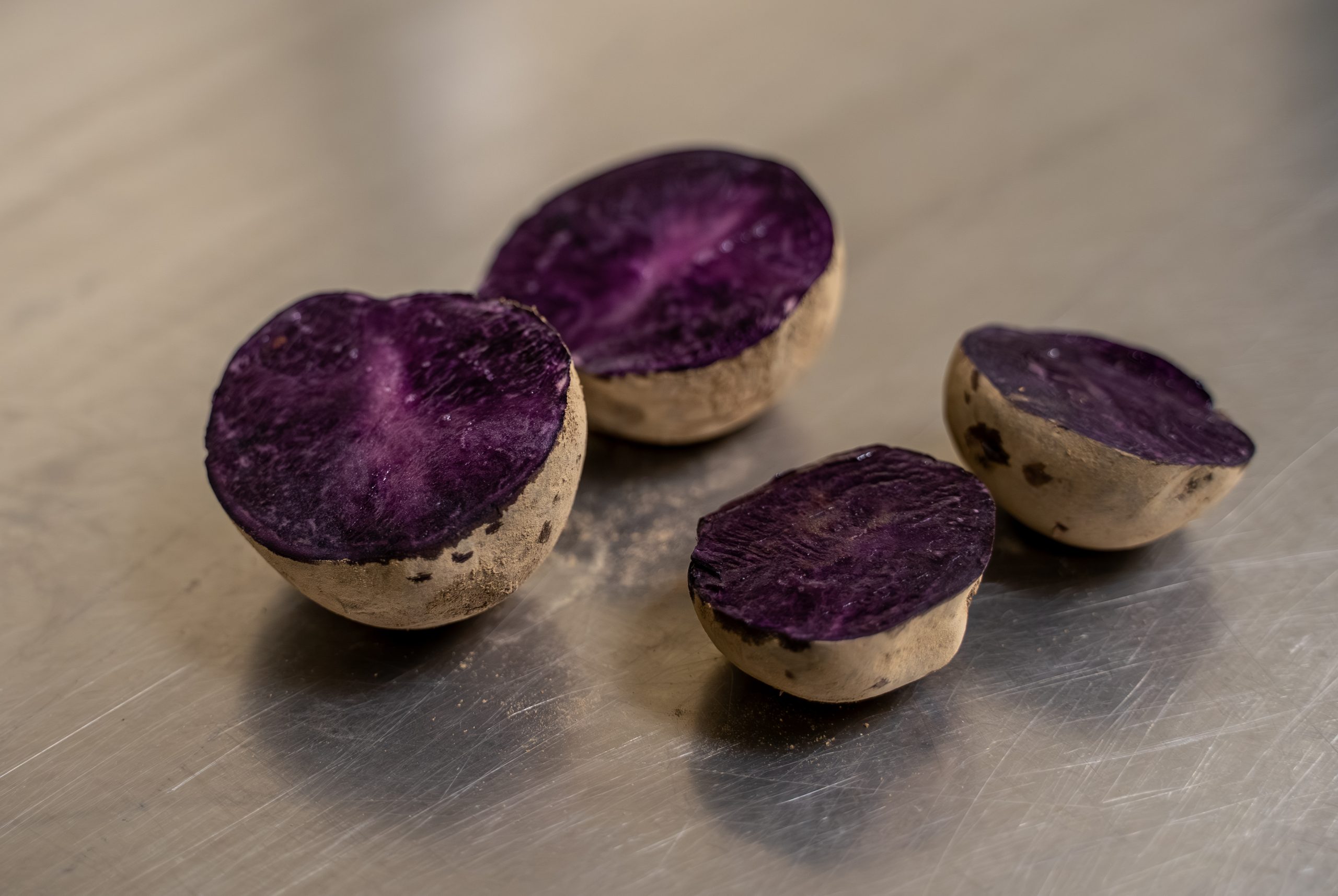
From Lab to Limited Edition: The “Blackberry” Potato
No breeder works in isolation, and Douches credits MSU’s innovation ecosystem for helping discoveries reach the market. “The tech transfer office helped us navigate the patent and licensing process,” he says, so varieties and related technologies could move beyond research plots and into industry partnerships.
A vivid example is the Blackberry potato, a specialty variety developed over two decades. It features a deep purple flesh and skin that remain vibrant after cooking. It was also bred for high levels of anthocyanins, antioxidants found in berries. Through a partnership with the Great Lakes Potato Chip Company, Blackberry made the leap from experimental plots to grocery shelves as a limited-edition purple potato chip. It’s the kind of consumer-facing innovation that can open new markets for Michigan growers.
“The Blackberry is a great example of how we can breed for the consumer’s plate,” Douches says. “It’s not just about yield for the farmer; it’s about creating a product that is nutritious, visually exciting, and commercially viable for local processors.” 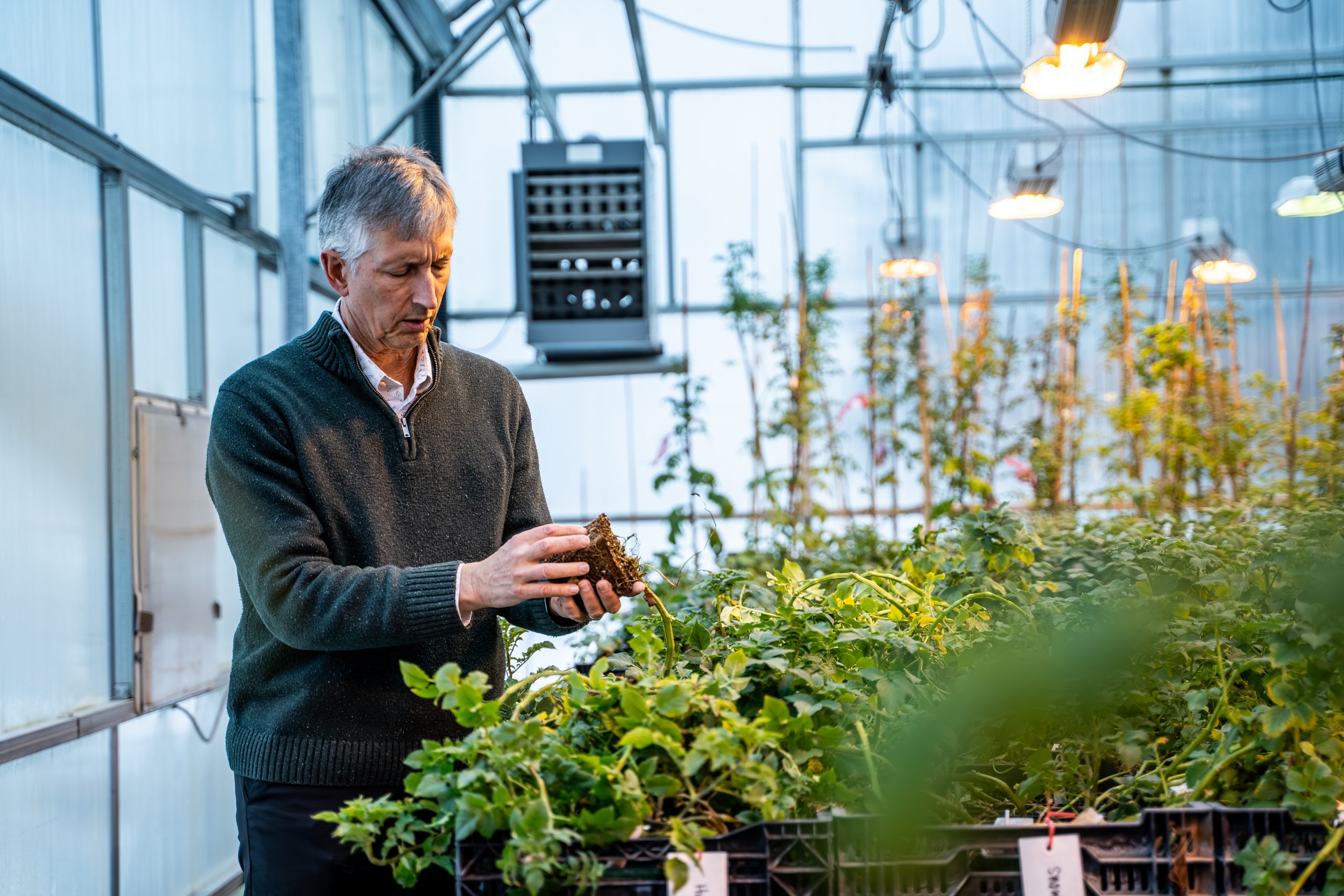
A Career Measured in the Field
For Douches, the Technology Transfer Achievement Award reflects a life spent in both the dirt and the lab, guided by a passion for a “great crop.” “The real reward isn’t the award itself,” he says. “It’s seeing a field of healthy plants you helped create. Knowing that a variety we bred supports a farmer’s family and delivers a better product to consumers is the true measure of tech transfer.”
Thomas Herlache, Assistant Director of MSU Technologies, has collaborated with Douches for years to bring new varieties and related technologies to market. “I have been working together with Prof. Douches my whole career at MSU,” he says. “We’ve worked on many problems, have several excellent potato varieties in the market, and are no the verge of completing a project to bring disease-resistant potatoes to developing-world farmers. Prof. Douches has great vision for potato growers around the world. I’m glad to see his work recognized through this award.”
As MSU continues to lead in agricultural research, Everhart says Douches’ approach remains a model for translational science. “He has stayed relevant throughout his entire career because his work is rooted in helping others,” she says. “That is how you have a deep, long-lasting impact on the world.”
###
Partner with MSU to Innovate In Ag Technologies
The MSU Innovation Center is seeking companies and organizations interested in crop breeding, agricultural genetics, and sustainable food production solutions.
Whether you’re exploring sponsored research, licensing opportunities, or co-developing disease-resistant crop varieties, diploid breeding technologies, or specialty agricultural products, we’re ready to collaborate.
Visit innovationcenter.msu.edu or contact us to start the conversation.
About the MSU Innovation Center
The MSU Innovation Center supports the commercialization of research, startup creation, and corporate partnerships at Michigan State University. Through technology transfer, venture creation, and industry engagement, the Innovation Center helps transform Spartan research and ideas into market-ready solutions that benefit society and strengthen Michigan’s economy. Learn more at innovationcenter.msu.edu.