

For decades, the medical community has faced a frustrating dilemma: cardiovascular disease remains the leading cause of death worldwide, yet the pipeline for new treatments is a high-risk gamble that usually ends in failure. More than 92% of heart-related drugs that pass preclinical animal tests fail to receive FDA approval during human trials, and for complex cardiovascular conditions, success rates can drop below 20%. 
The issue is a fundamental translation gap. Testing experimental therapies directly on humans is often too risky, so scientists rely on animal models like mice and rats. However, these models don’t fully replicate human heart biology, causing many promising therapies to fail once they reach human trials.
For Aitor Aguirre, Associate Professor in Michigan State University’s (MSU) Department of Biomedical Engineering, the solution wasn’t to find a better animal model, but to build a human one from scratch.
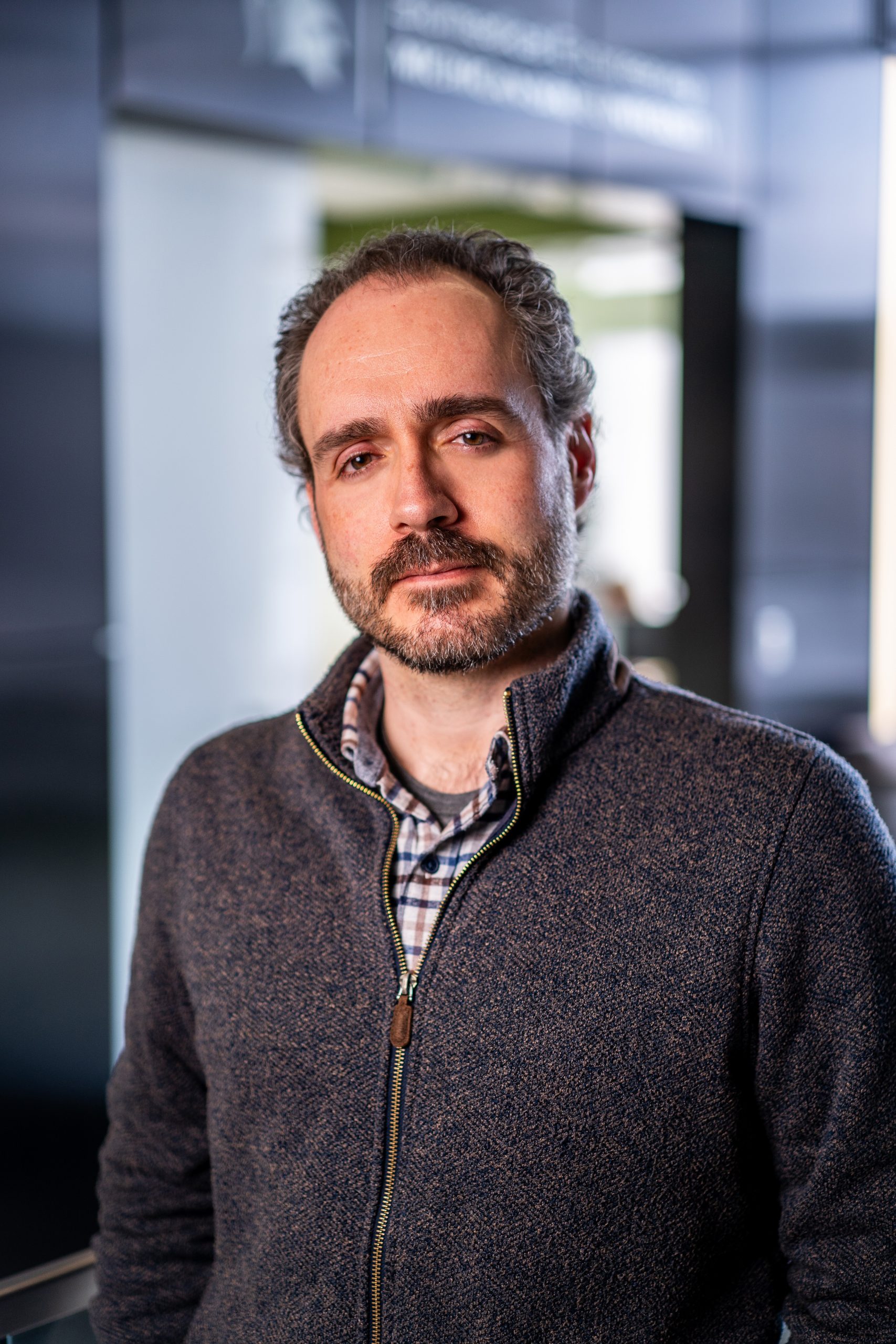
“We apply an engineering perspective to biology,” Aguirre says. “Instead of mechanical parts, we work with biological ones. We are engineering the human heart in a dish.”
A Breakthrough in a Petri Dish
The Aguirre Lab doesn’t just grow cells; they grow “organoids.” These are tiny, three-dimensional structures that function like miniature human hearts.
About the size of a lentil, these mini-hearts beat with a visible rhythmic pulse, offering a living model that can be studied, measured, and stressed in controlled conditions.
Using donated human stem cells, Aguirre’s team has refined a reproducible “recipe” that coaxes cells to self-organize into complex structures with chambers, vascular networks, and key immune components. Where previous researchers only grew flat layers of heart cells, Aguirre’s organoids represent a major leap in physiological realism, meaning they closely mimic how real human heart tissue behaves.
This bold approach has earned Aguirre recognition as a 2026 Innovator of the Year for reshaping how cardiovascular drugs can be tested for both effectiveness and safety.
The Proof: Watching a Heart “Misfire”
In a key experiment, the team introduced inflammatory molecules to the organoids. Under the microscope, the steady pulse faltered as cells entered a chaotic, rapid-twitching state, a hallmark of atrial fibrillation (A-fib). For the first time, scientists could watch arrhythmia-like behavior unfold in real time in a human-derived system.
The team then introduced an experimental anti-inflammatory drug. Within a short time, the chaotic twitching smoothed out, and the mini-heart returned to a steady rhythm.
“Atrial fibrillation is the most common arrhythmia worldwide. For 40 years, we have been unable to develop effective drugs because accurate models were lacking.”
For drug developers, the most painful failures often arrive late, after years of work, when a therapy triggers dangerous cardiac side effects and the program has to stop. Aguirre’s organoids offer a “safety-first” checkpoint: a way to screen compounds against a beating, human-derived heart model before patient trials. That earlier read on cardiac risk can help teams iterate faster, de-risk decisions sooner, and reduce development time and cost. 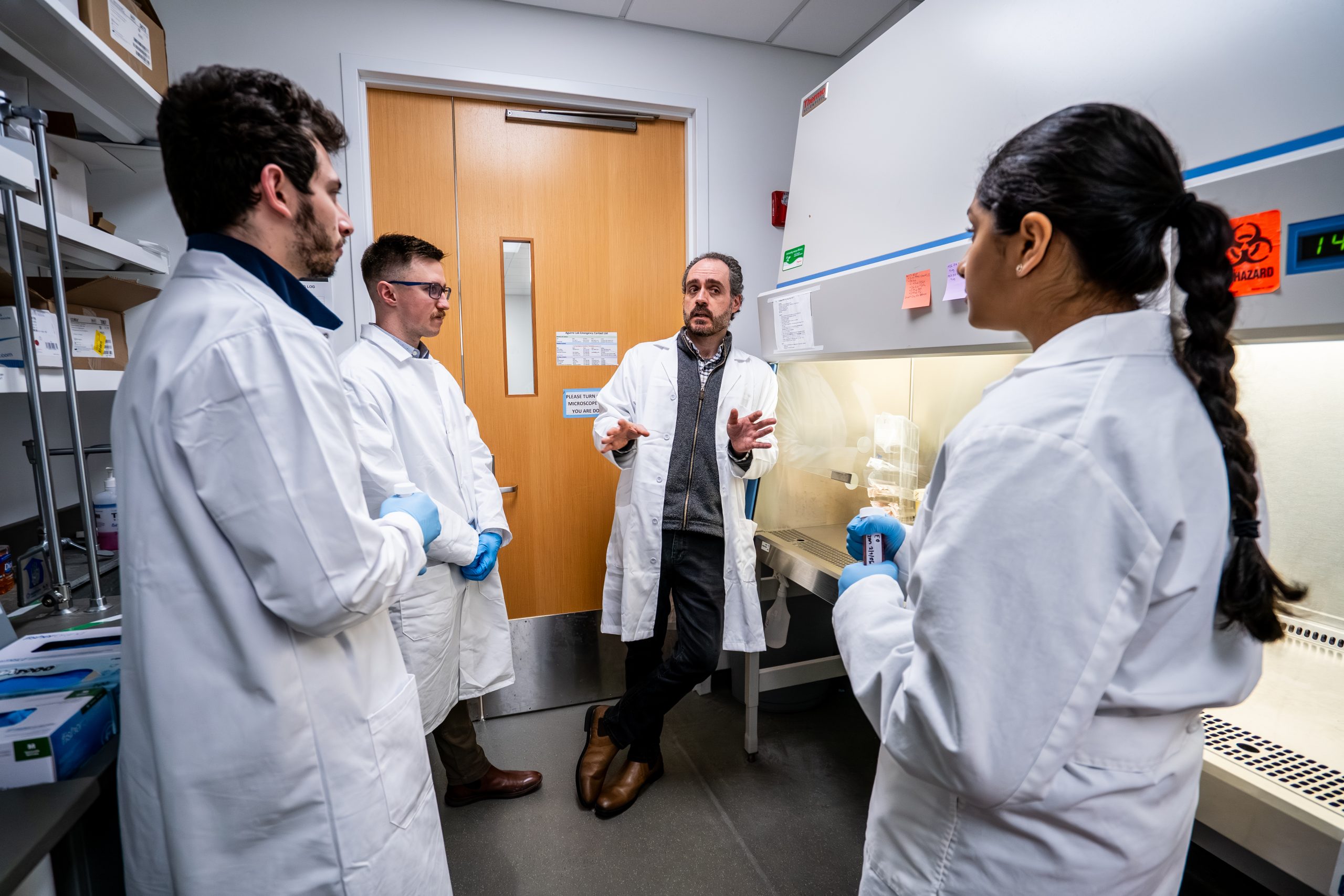
The Bridge from Bench to Bedside: Navigating the “Valley of Death”
Scientific innovation alone cannot save lives; it needs a path to the public. In biotechnology, the gap between a successful experiment and a clinical product is known as the “valley of death,” according to Aguirre.
To ensure Aguirre’s “hearts-in-a-dish” didn’t remain academic curiosities, the MSU Innovation Center stepped in as a strategic navigator — advising on patent strategy and facilitating conversations with partners to introduce them to this leading-edge academic work. That support helped translate interest into a defined commercialization pathway, including with CytoHub, Inc., which began through an option agreement for internal validation studies and later exercised its option to secure a worldwide exclusive license.
“The Innovation Center’s role is to enable partnerships by reducing barriers for faculty engagement, allowing companies and faculty to benefit from each other’s expertise,” says Cheri Deng, Chairperson of MSU’s Department of Biomedical Engineering.
The MSU Technologies team protected the organoid “recipe” and managed patent and licensing matters, allowing Aguirre to stay focused on science. “We are excited to support the translation of Professor Aguirre’s work into commercial use, as the potential for addressing human diseases is huge. Several technologies have already been licensed, and new inventions continue to fill the pipeline for the next generation of organoid systems”, says Jon Debling, Senior Technology Manager at MSU Technologies.
Aguirre calls the Innovation Center’s support essential for managing intellectual property and linking discoveries with developers. “The Innovation Center has been critical to protect our inventions and publicize them to interested companies,” he says. Without this bridge, he warns, “those inventions can just die in limbo.” 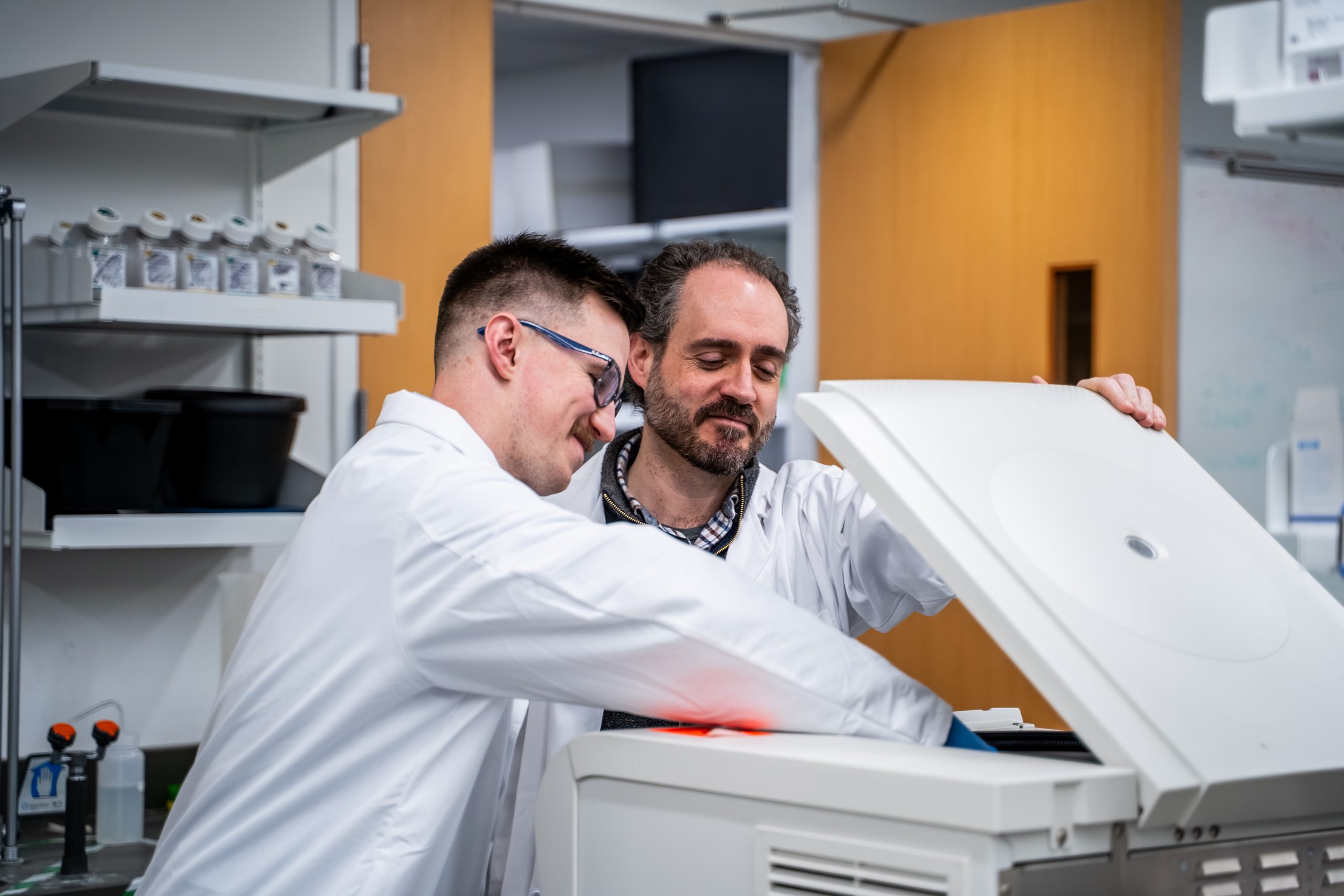
What’s Next: Precision Medicine, Preventive Therapeutics, Personalized Transplants
Aguirre envisions the future of heart organoid research enabling patient-specific heart tissue models genetically matched to an individual. Because these organoids could be derived from a patient’s stem cells, doctors could one day grow a mini version of a patient’s heart to test which medication works best before prescribing treatment.
At scale, Aguirre also points to building organoids from large and diverse patient groups and using the resulting data to train AI models that could help predict disease states earlier — pushing medicine toward more predictive, personalized care. Researchers could study how disease begins and progresses in human-relevant tissue, enabling them to test preventive therapies for congenital defects and cardiometabolic diseases such as obesity and diabetes.
On the far horizon, Aguirre believes the field may advance from mini-hearts as research tools toward generating patient-specific, transplant-ready heart tissues. While that therapy is still a long way off, it signals where the science is headed as models become more complete and physiologically accurate.
“This is precision medicine in action,” Aguirre says. “Engineered organoids make clinical practice more precise.” 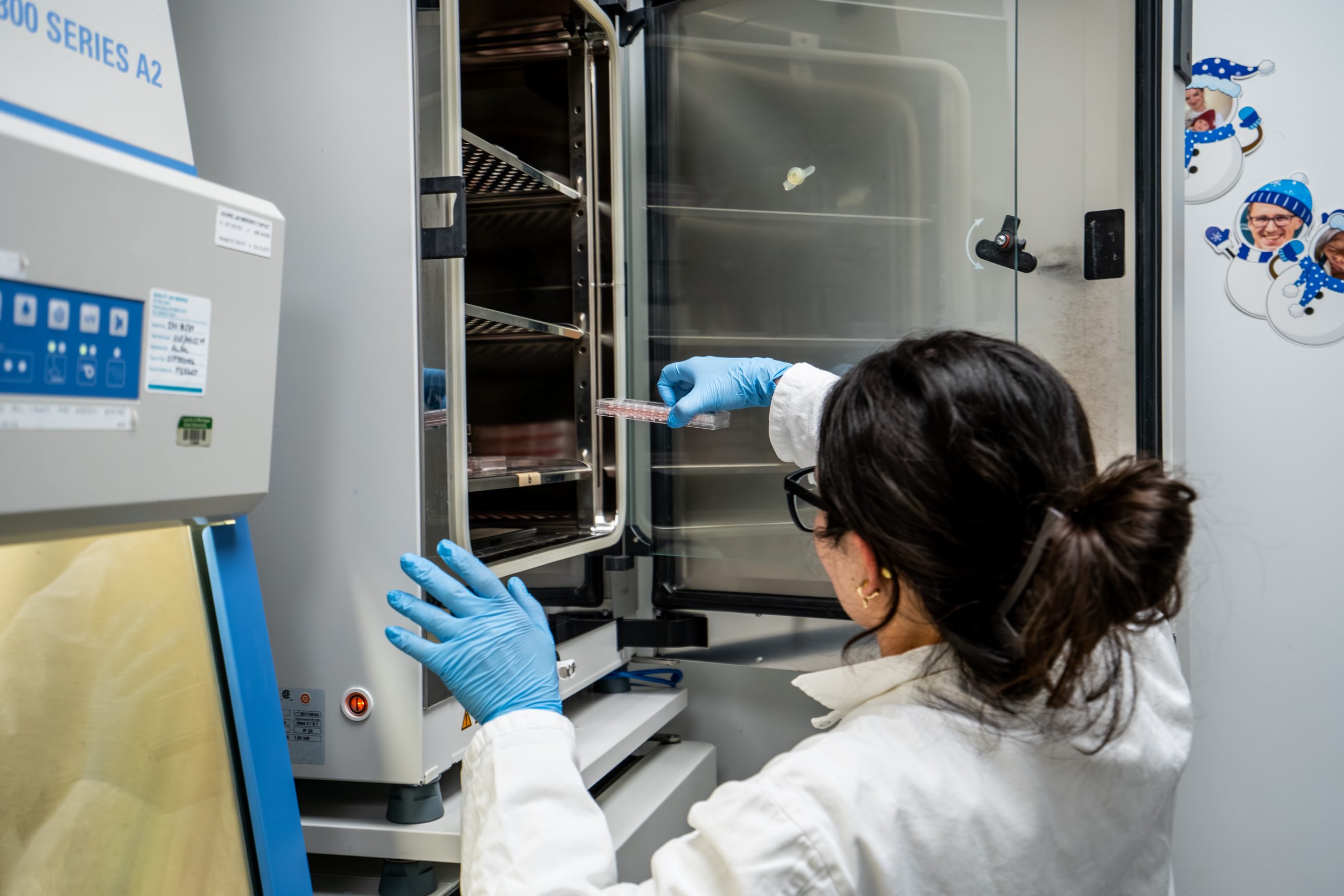
A Global Reputation for MSU
Aguirre’s work is putting MSU at the center of a global conversation on the advancement of human-relevant heart models.
“Work like his builds our national and international reputation,” says Deng. “When you say you are from MSU, many recognize it as the home of cardiac organoid research.”
By uniting engineering with biology, Aitor Aguirre is turning heart disease from a medical mystery into a solvable challenge and redefining the future of medicine.
###
Partner with MSU to Shape the Future of Human Health
The MSU Innovation Center invites companies and organizations to collaborate on the next generation of human-relevant medical technologies. Whether you’re developing safer drugs, exploring regenerative therapies, or seeking scalable alternatives to animal testing, MSU offers the research, expertise, and commercialization support to help you succeed.
If you’re an industry leader looking to collaborate on the next big medical breakthrough or seeking to license cutting-edge technologies, MSU is ready. The MSU Innovation Center connects companies with world-class research, visionary inventors, and a proven commercialization pipeline.
Visit innovationcenter.msu.edu or contact us to start the conversation.
About the MSU Innovation Center
The MSU Innovation Center supports the commercialization of research, startup creation, and corporate partnerships at Michigan State University. Through technology transfer, venture creation, and industry engagement, the Innovation Center helps transform Spartan research and ideas into market-ready solutions that benefit society and strengthen Michigan’s economy. Learn more at innovationcenter.msu.edu.