News Archives - MSU Innovation Center

MSU Technologies is pleased to welcome Scott Steiger as Associate Director. In this role, Scott leads the CDA/MTA, IP Administration, and Agreement Compliance teams, supporting the processes and services that help researchers protect, manage, and advance innovations developed at Michigan State University. Scott brings more than 13 years of experience in technology transfer, intellectual property …

$20K in Merck Animal Health Scholarships Supports 2026 Food Systems Fellowship Students

College of Veterinary Medicine 

Daneris Mestres Alemany from Louisiana State University and Joshua Tripp from the University of Tennessee have been named the 2026 recipients of the Merck Animal Health Food Systems Fellowship Scholarships through the Michigan State University College of Veterinary Medicine. For veterinary students interested in food animal medicine, there is no single path into the field. …


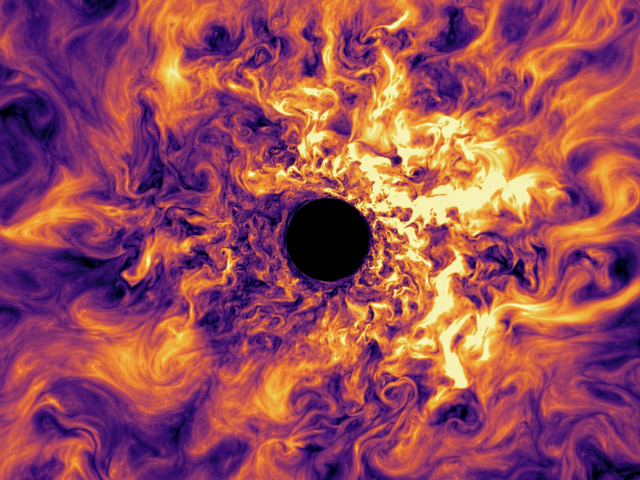
MSU receives $30M NSF grant to establish turbulence research center

MSU Today

Turbulence is all around us, in the air we breathe, the water we drink, the storms moving across the atmosphere and the plasmas inside experimental fusion devices. It’s the chaotic swirling motion of air, water, plasma and other fluids that plays an essential role in how energy moves, how pollutants and heat spread through the …


Michigan Universities Partner To Improve Beach Water Testing

MSU Water Alliance

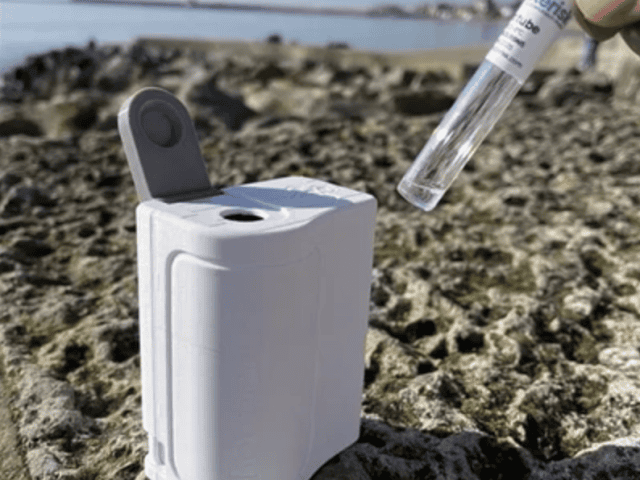
Michigan is home to more than 1,000 public beaches that draw millions of visitors to the Great Lakes every summer. But recent heavy rains and severe weather throughout the region have triggered increased stormwater runoff, exposing the vulnerability of the state’s shorelines to microbial contamination. During the Fourth of July weekend, 10 Michigan beaches were …


Removing a Major Barrier to Green Ammonia Adoption 

As one of the world’s most widely used fertilizers, Ammonia plays a vital role in the global economy, helping support agricultural production on a massive scale. Increasingly, it is also attracting attention as a carbon-free energy carrier that could help store renewable energy, transport hydrogen, and support emerging clean energy systems. Yet despite its promising …


MSU veterinarians provide advanced care for African painted dog

MSU Today

Binder Park Zoo’s veterinarian, Kim Thompson, reached out to the Michigan State University Veterinary Medical Center’s Soft Tissue Surgery service to provide advanced care for Sassy, the zoo’s seven-year-old African painted dog. As always, the team, led by Maureen Spinner, was eager to help. Sassy’s story Despite breeding efforts over the past couple of years, …


Magnetic clues help explain how elements form in stars

MSU Today

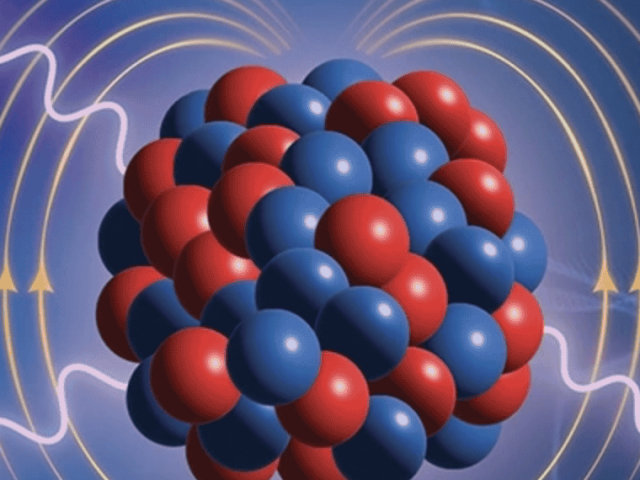
A scientific team led by Facility for Rare Isotope Beams, or FRIB, researchers identified the origin of a mysterious excess of low-energy gamma rays emitted by the nucleus zinc-70. They found that the excess is caused by magnetic transitions within the nucleus. The study, “Magnetic Character of the Low-Energy Enhancement in 70Zn,” published in Nature, sheds light on …


From Exhibition Challenge to Commercial Opportunity: MSU Innovation Advances a Smarter, More Sustainable Wall System

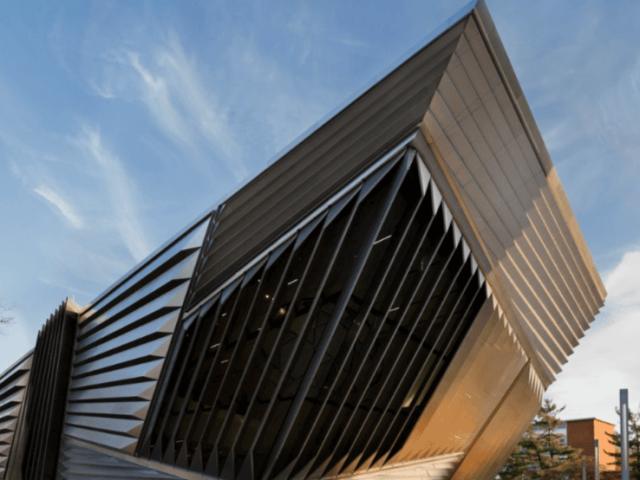
For museums and galleries, space is everything. Space helps shape the visitor experience and enhance how visitors view, experience, and interact with exhibits. How to design and shape that space is a focal point for many exhibit curators.  While often overlooked as just part of the building, walls are one of the most important tools available to curators for shaping visitor …


New tool may unlock notable regenerative biology mystery

MSU Today

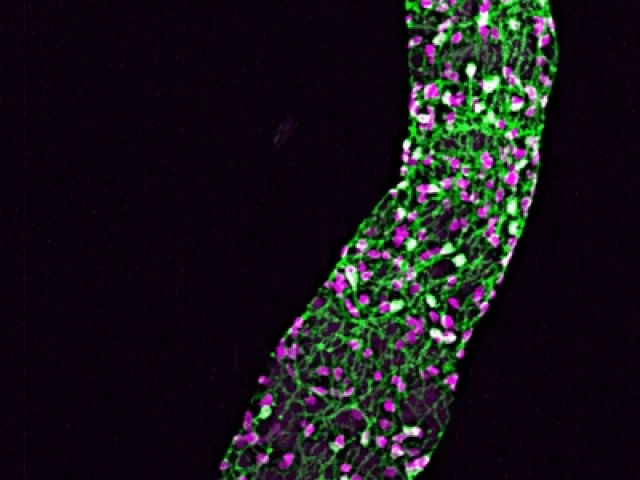
Why can zebrafish regenerate damaged gut nerves while humans largely cannot? Michigan State University researchers have developed a powerful new research tool that allows them to remove gut neurons in zebrafish and watch them regenerate in real time, helping scientists investigate one of regenerative biology’s biggest questions. The research focuses on the enteric nervous system, …


FRIB receives Genesis Mission award for AI-powered research

MSU Today

The Facility for Rare Isotope Beams, or FRIB, at Michigan State University, in collaboration with Argonne National Laboratory, was chosen to receive a Genesis Mission Phase I award from the U.S. Department of Energy. The project will develop artificial intelligence, or AI, tools — specifically, physics-informed “digital twins” — that could transform how heavy-ion accelerators and isotope separators are operated. The project, …


Back To Top